As components used in aerospace, automotive, mold and die, and semiconductor machining become increasingly complex, conventional 3-axis machining often requires multiple setups, workpiece repositioning, and additional fixtures.
Every additional setup adds production time and may introduce positioning errors. For manufacturers looking to improve both accuracy and process efficiency, a 5-axis machining center provides an effective way to consolidate multiple operations into a more streamlined machining process.
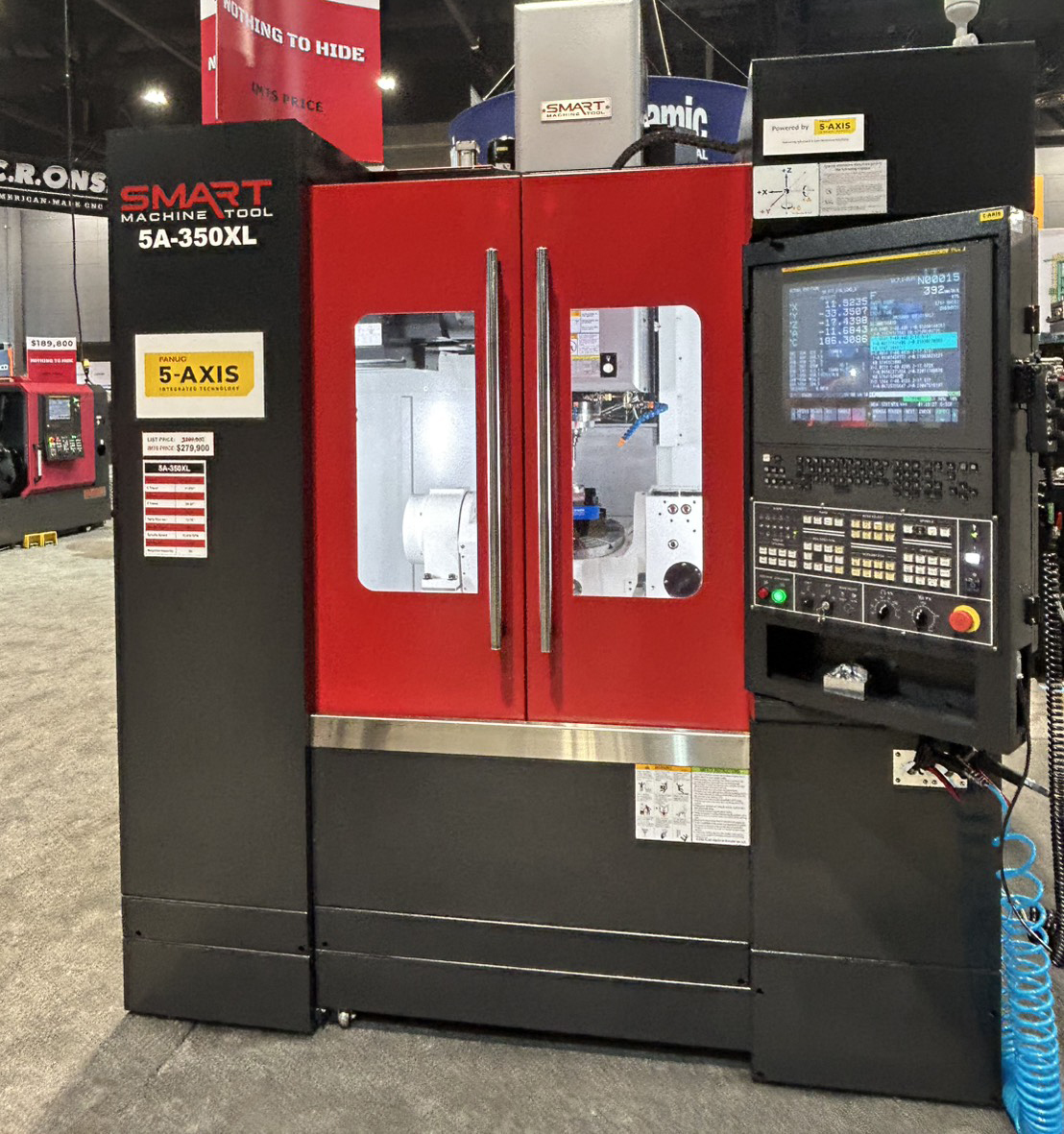
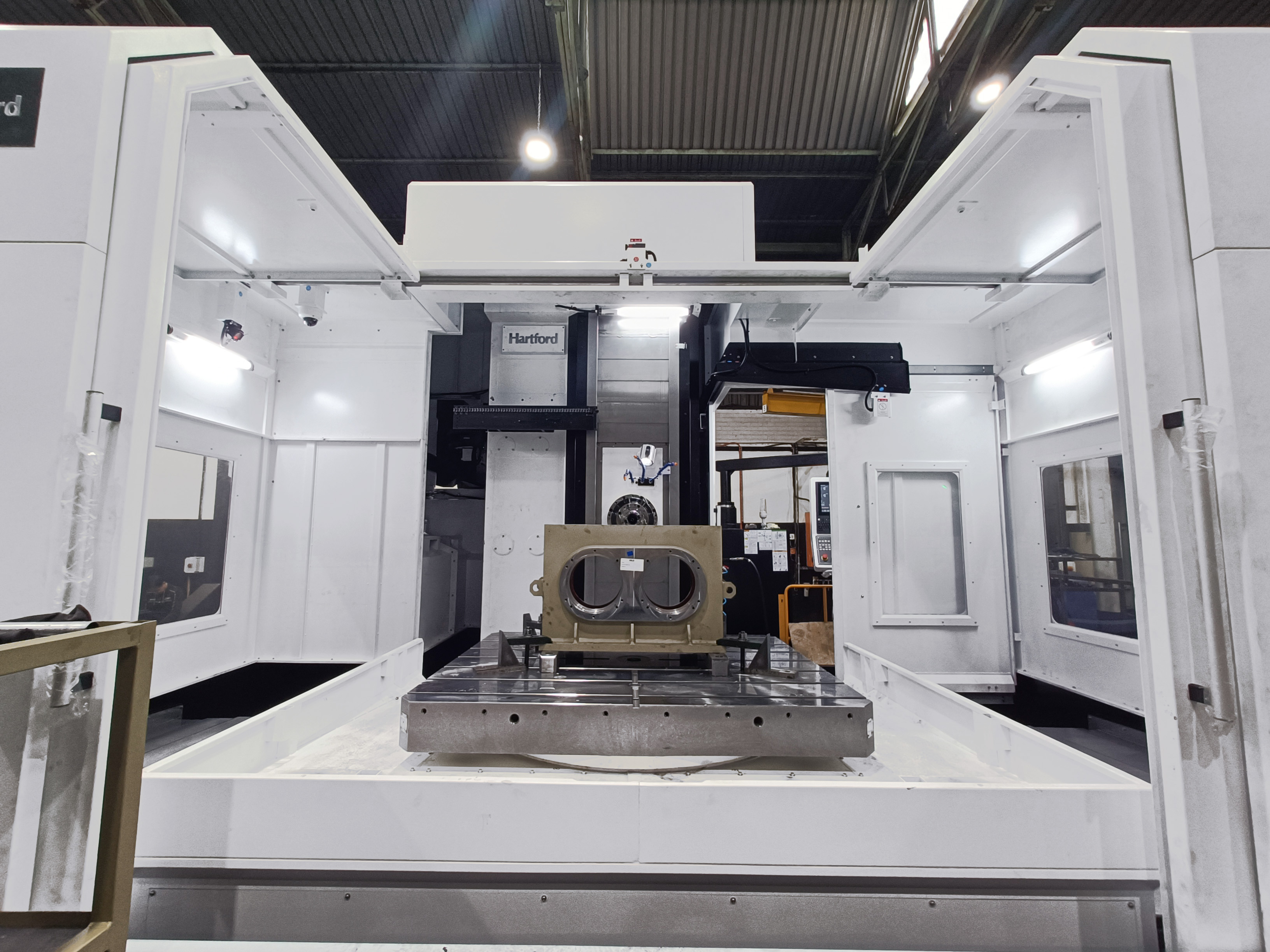
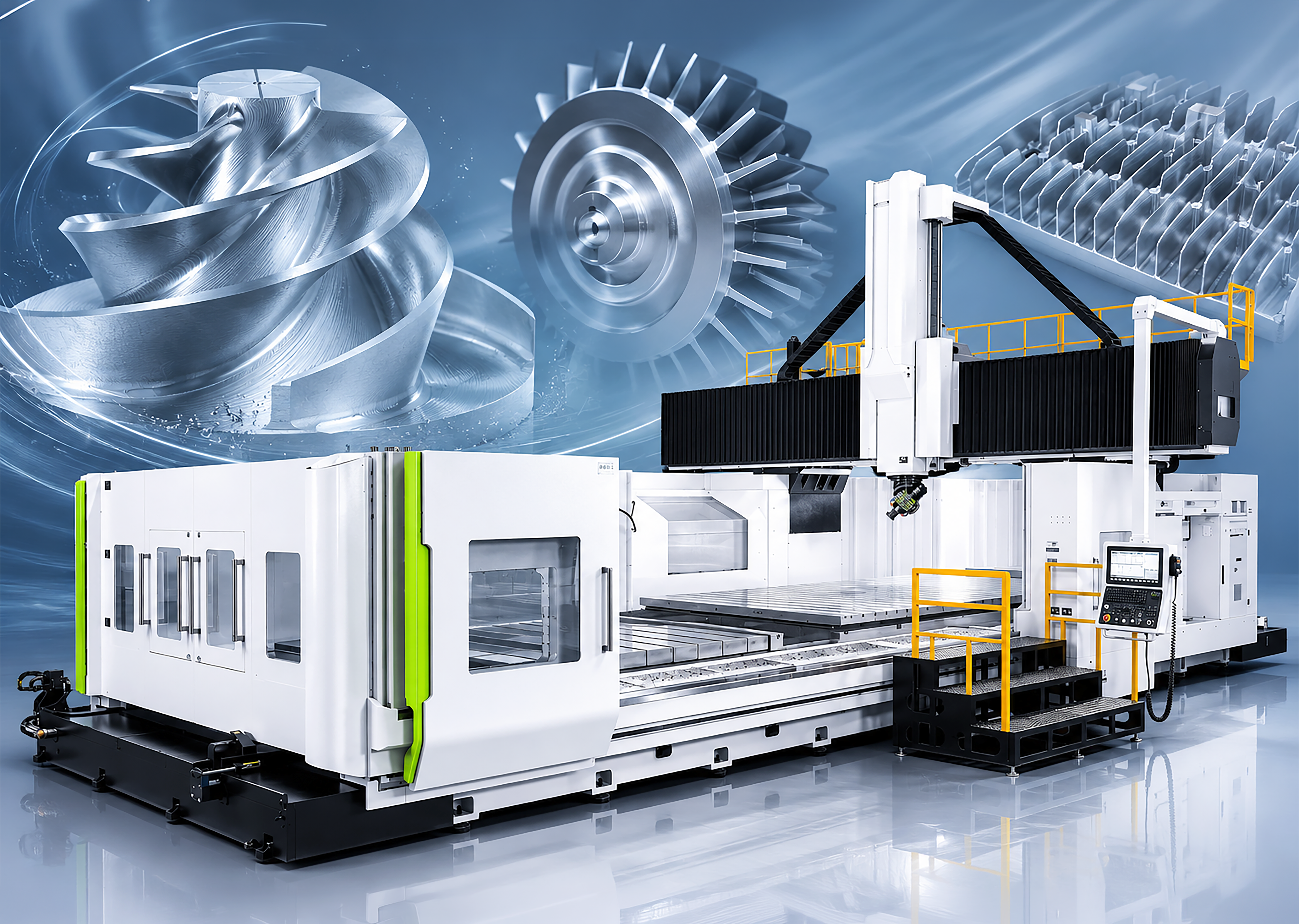
The Hartford 5A-350XL is designed specifically for demanding applications where complex geometry and high accuracy are equally important.
The machine offers X/Y/Z travels of 650 / 610 / 510 mm, an A-axis range of +30° to -120°, and C-axis rotation of ±360°. Its Ø350 mm rotary table accommodates workpieces up to Ø400 × 355 mm, with a maximum workpiece weight of 200 kg.
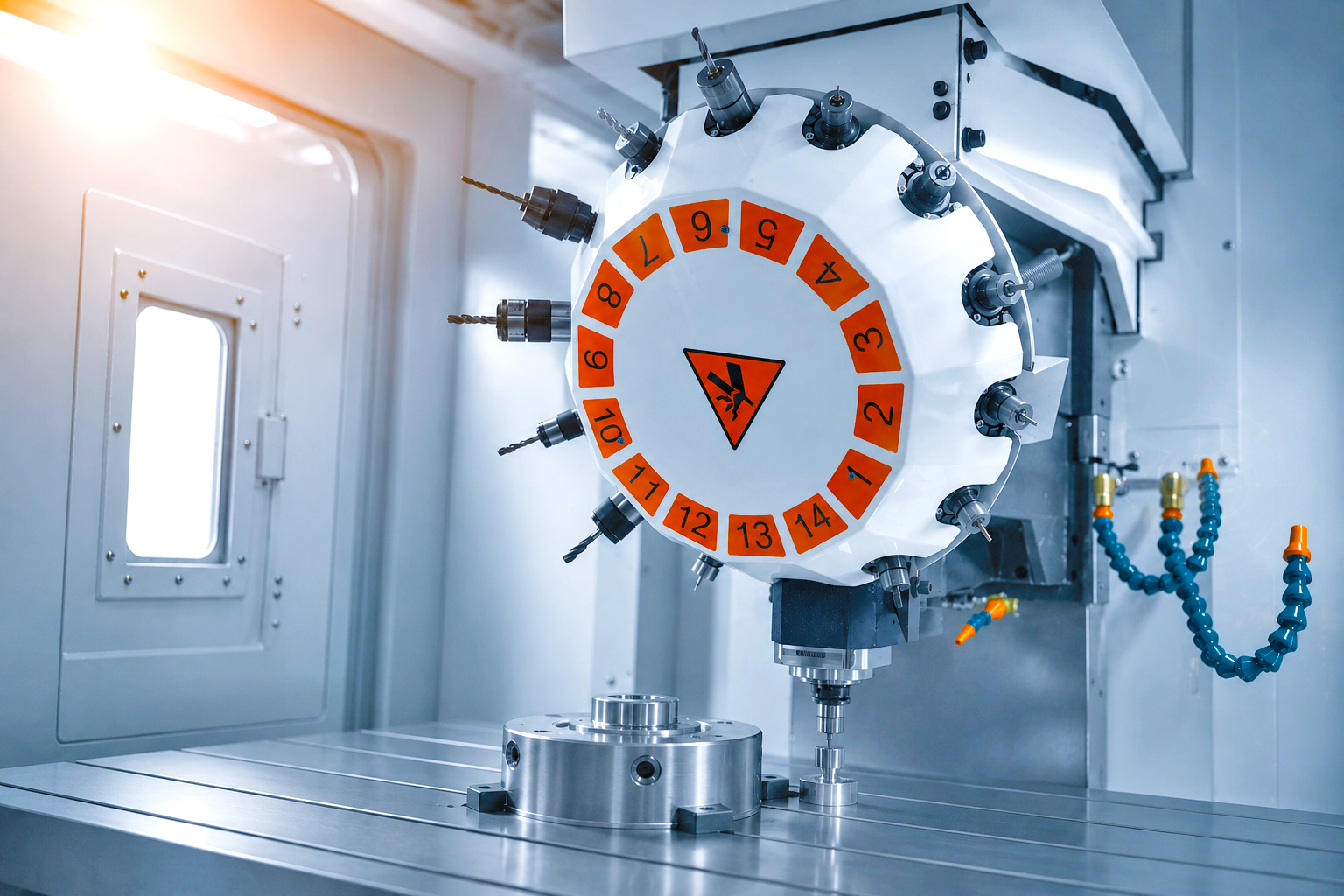
With its A/C-axis rotary table, the 5A-350XL allows the workpiece to be positioned at different angles, providing better tool access to complex surfaces, inclined features, and multi-directional holes.
By completing more machining operations in fewer setups, manufacturers can reduce workpiece transfers between machines and fixtures while minimizing the positioning errors associated with repeated clamping.
For applications such as impellers, precision molds, automotive components, and complex precision parts, this approach provides clear advantages in both machining efficiency and process consistency.
A Rigid Foundation for Precision Machining
A high-performance 5-axis machining center is about much more than simply adding two rotary axes. The real challenge is maintaining geometric accuracy, positioning performance, and machining stability as the workpiece orientation changes throughout the machining process.
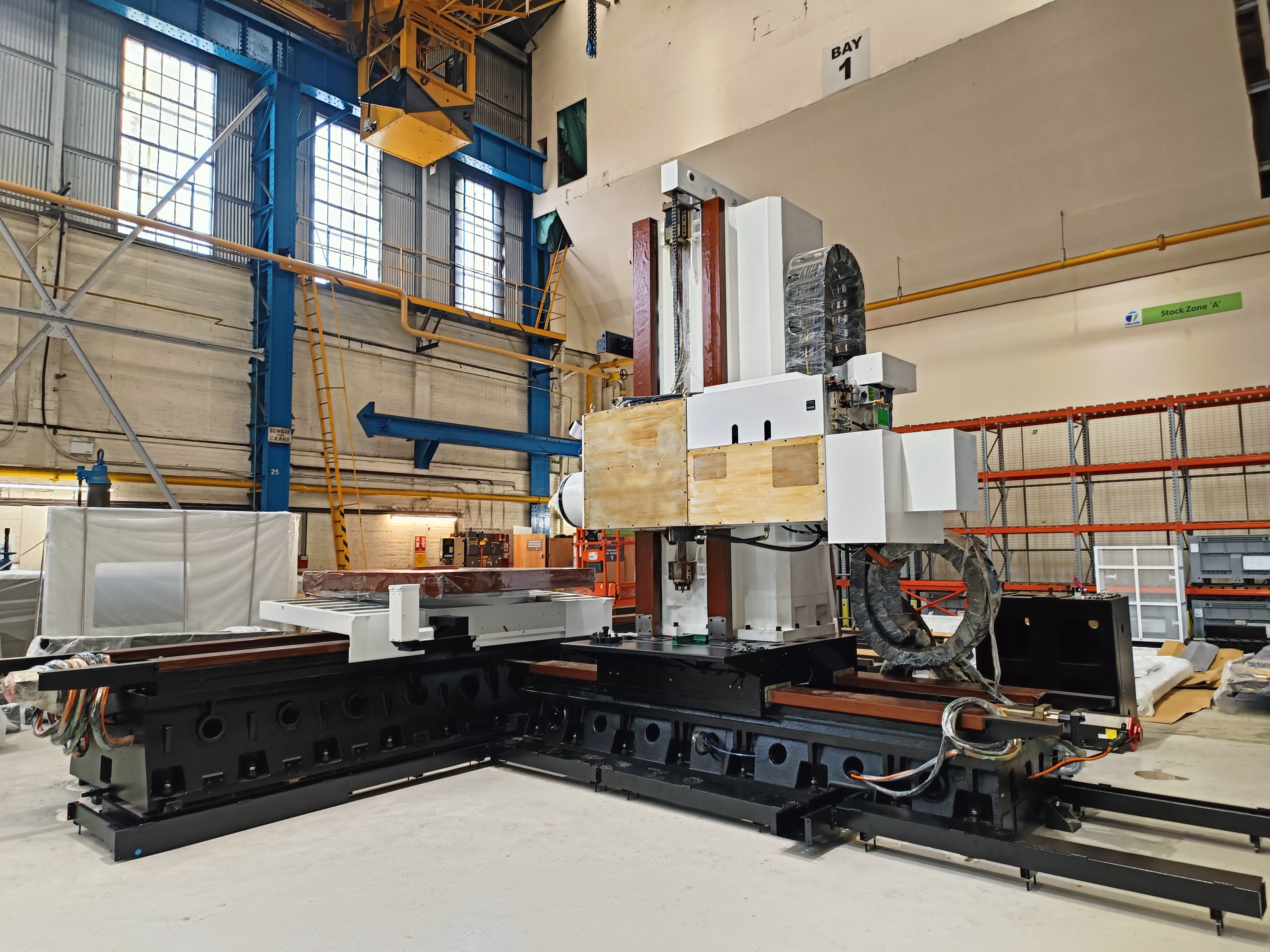
The 5A-350XL features a rigid column and wide machine base designed to provide a stable foundation during machining. Its wide-span Y-axis guideway arrangement enhances structural support during rapid movement and cutting, while the integrated base construction further improves overall machine rigidity.
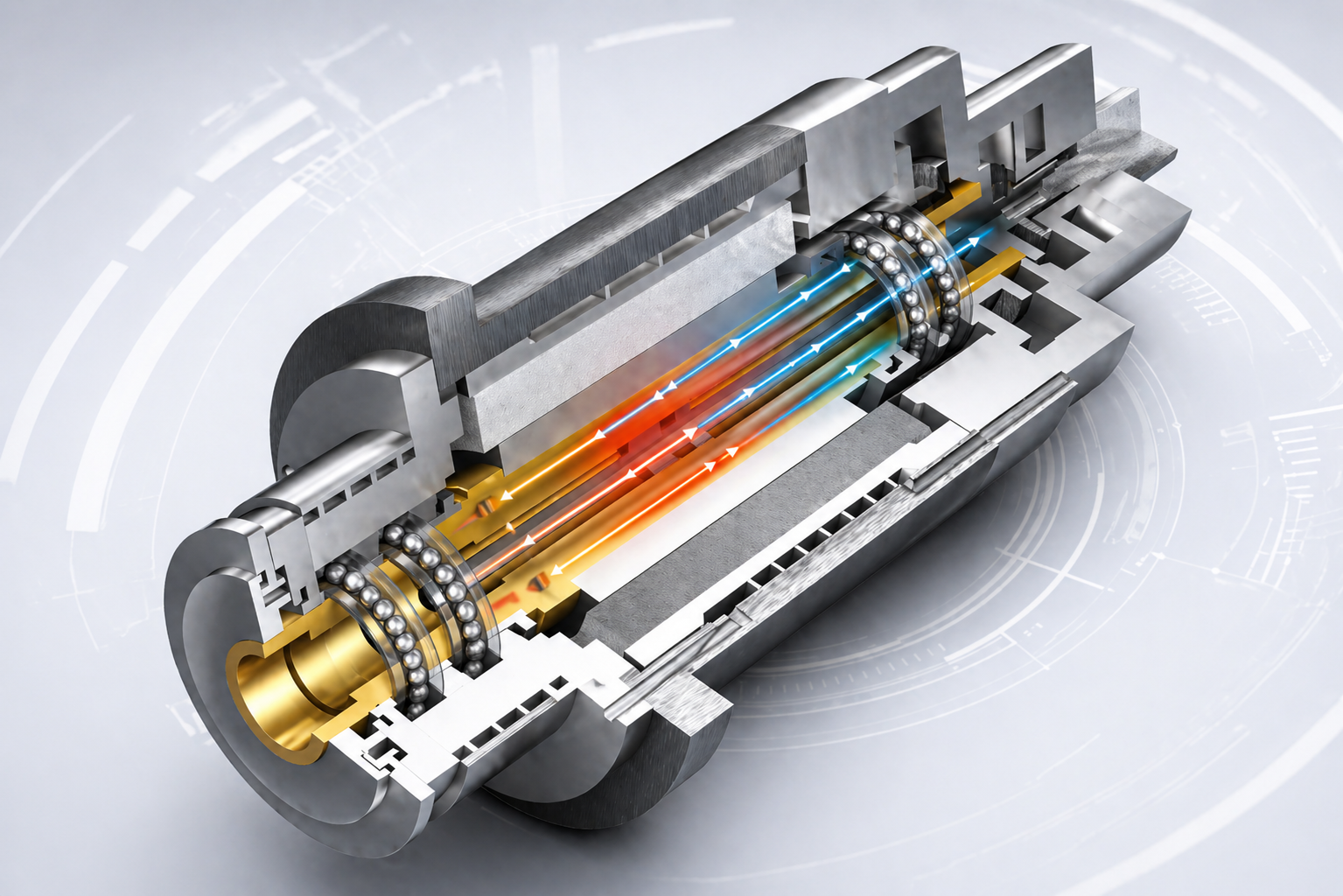
Depending on the application, the machine can be configured with a 15,000 rpm high-torque spindle or a spindle capable of speeds up to 20,000 rpm, together with 40- or 60-tool magazine options.
This flexibility allows manufacturers to select the spindle and tooling configuration that best matches their workpiece materials, cutting conditions, and production requirements.
For industries such as aerospace, mold and die, and semiconductor machining, where dimensional stability and process consistency are critical, machining performance must be considered as a complete system—from machine rigidity and spindle characteristics to rotary-axis accuracy and process control.
This integrated approach forms the foundation of a true precision machining center.
From Machining Complex Parts to Machining Them Accurately
In advanced 5-axis manufacturing, producing a complex geometry is only the beginning. The greater challenge is ensuring that dimensional accuracy, profile accuracy, and the positional relationship between different machined surfaces remain consistent throughout the process.
Modern CNC machine tools are therefore evolving beyond standalone cutting equipment into more integrated manufacturing platforms.
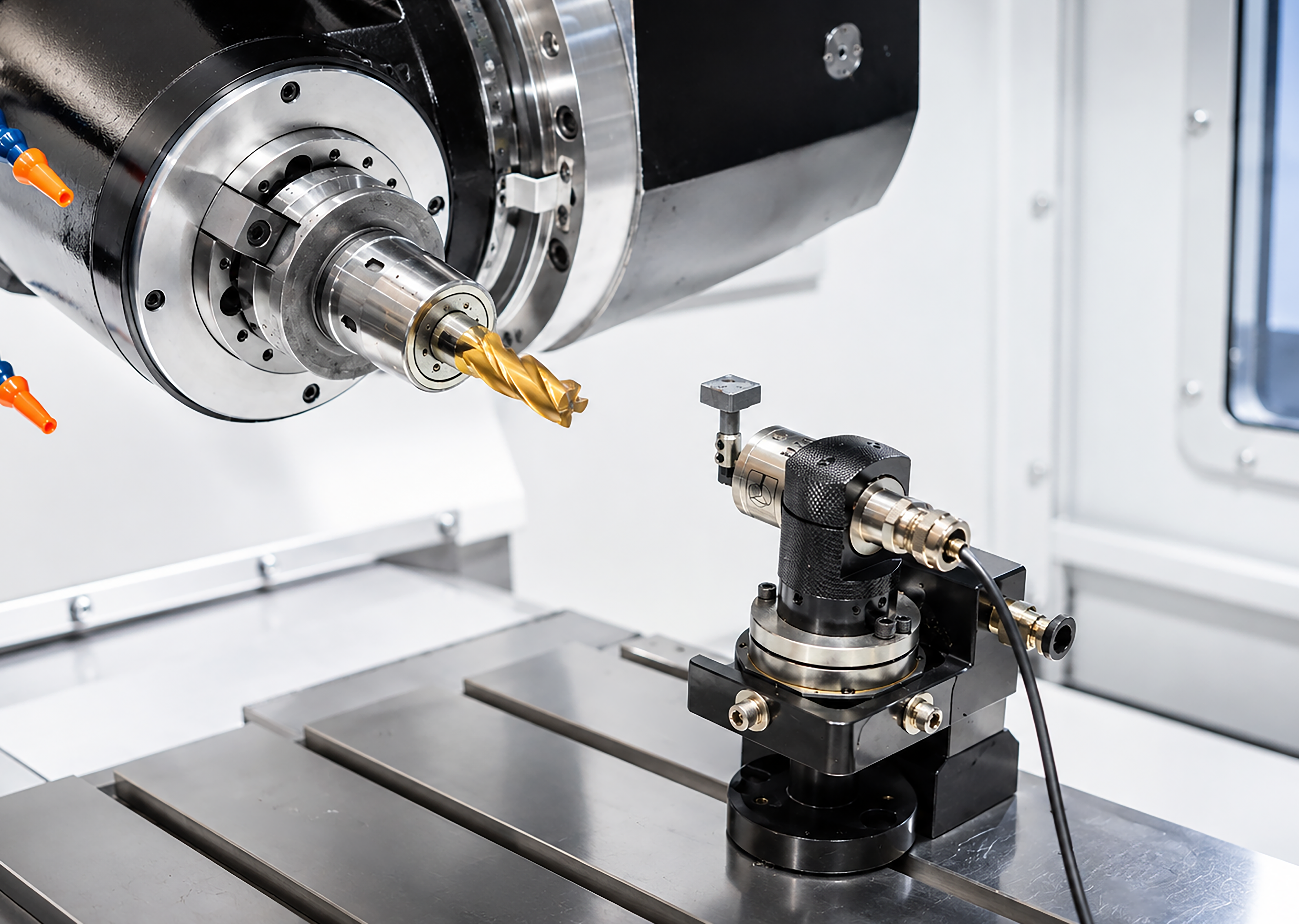
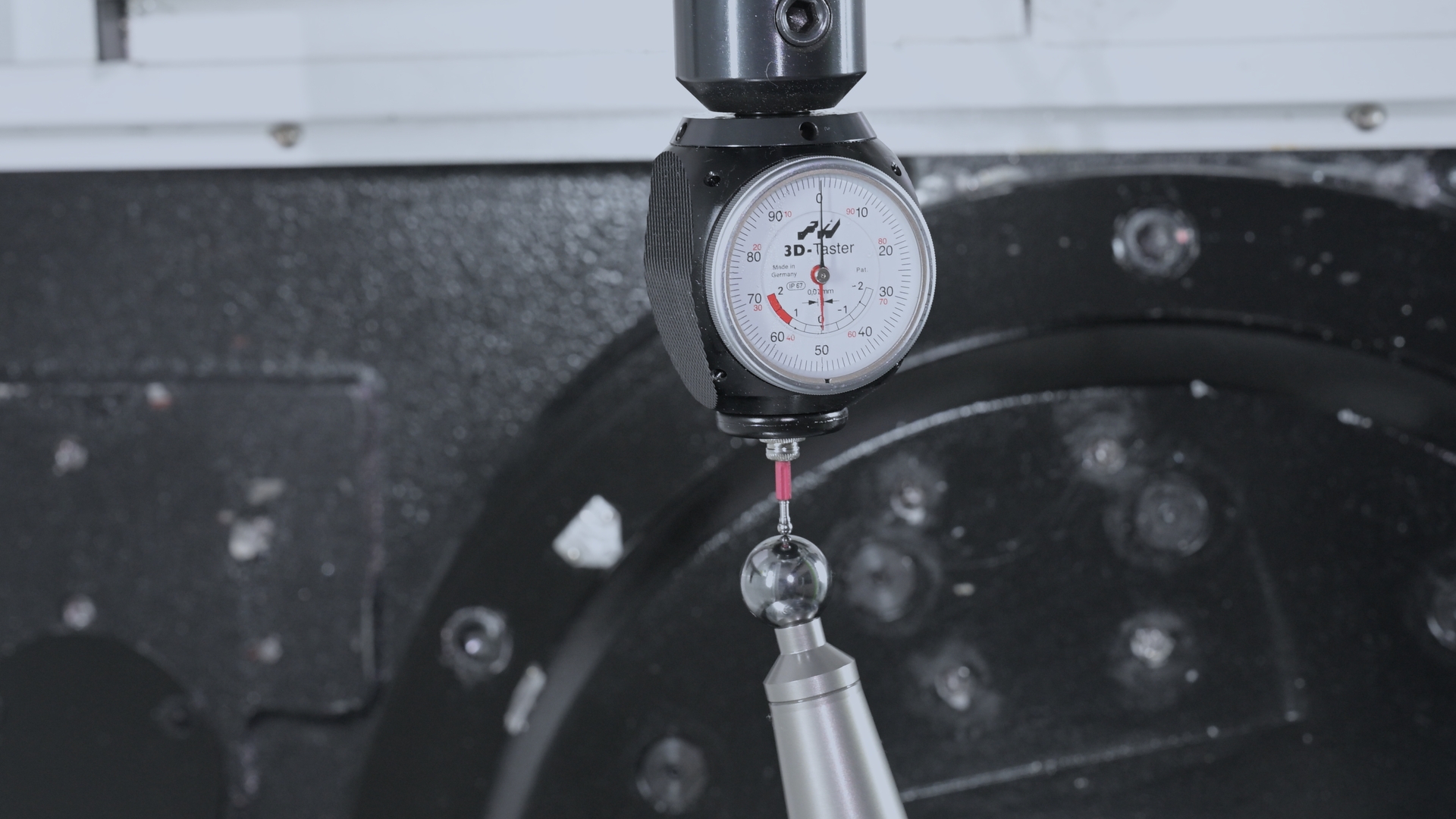
By combining 5-axis machining with precision inspection and process verification, manufacturers can reduce the errors associated with repeated setups and disconnected operations. This creates a more controlled manufacturing process from initial machining through final dimensional verification.
Such capabilities are becoming increasingly important for precision molds, aerospace components, and semiconductor machining applications, where accuracy, repeatability, and long-term process stability are essential.