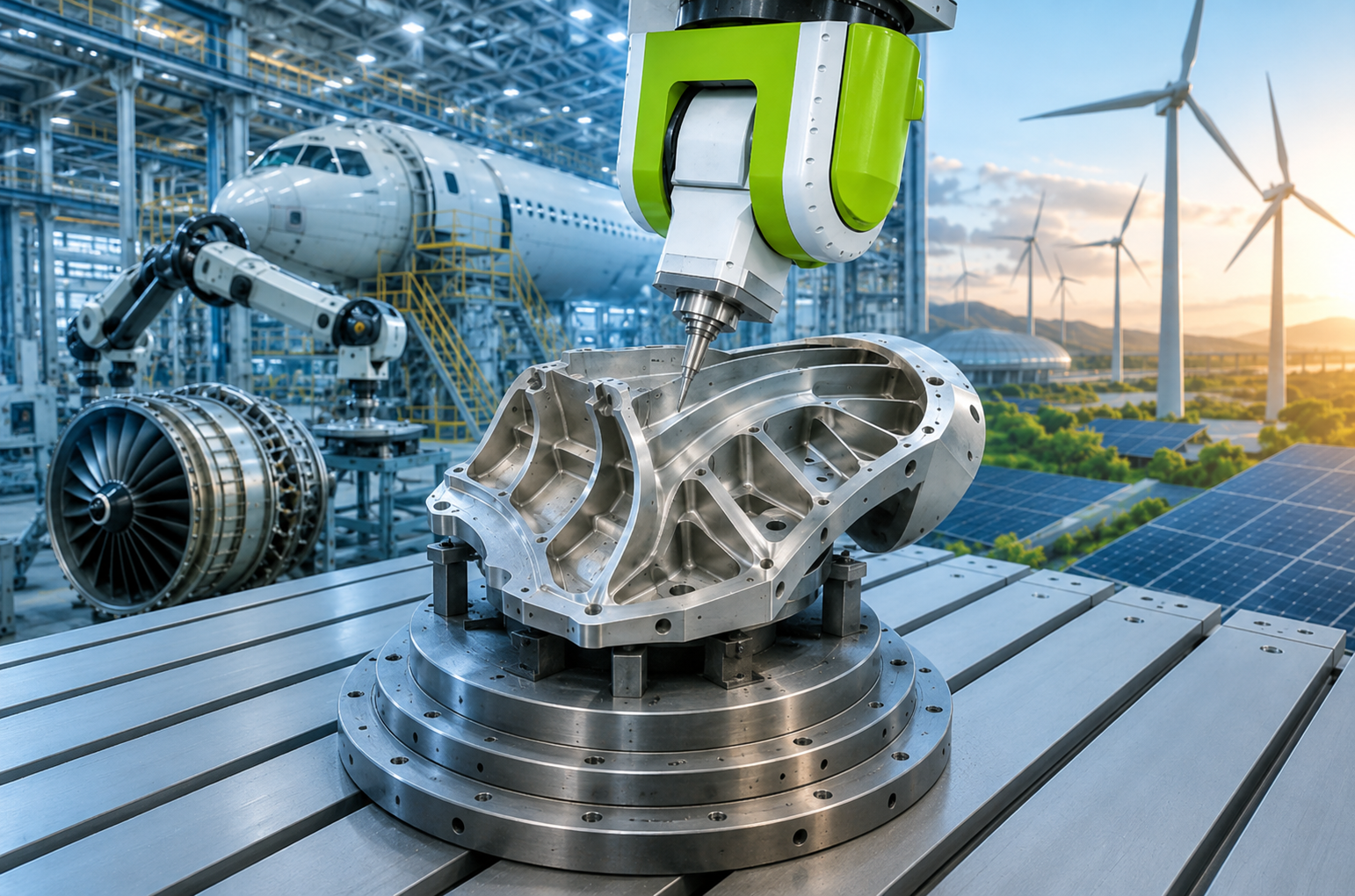
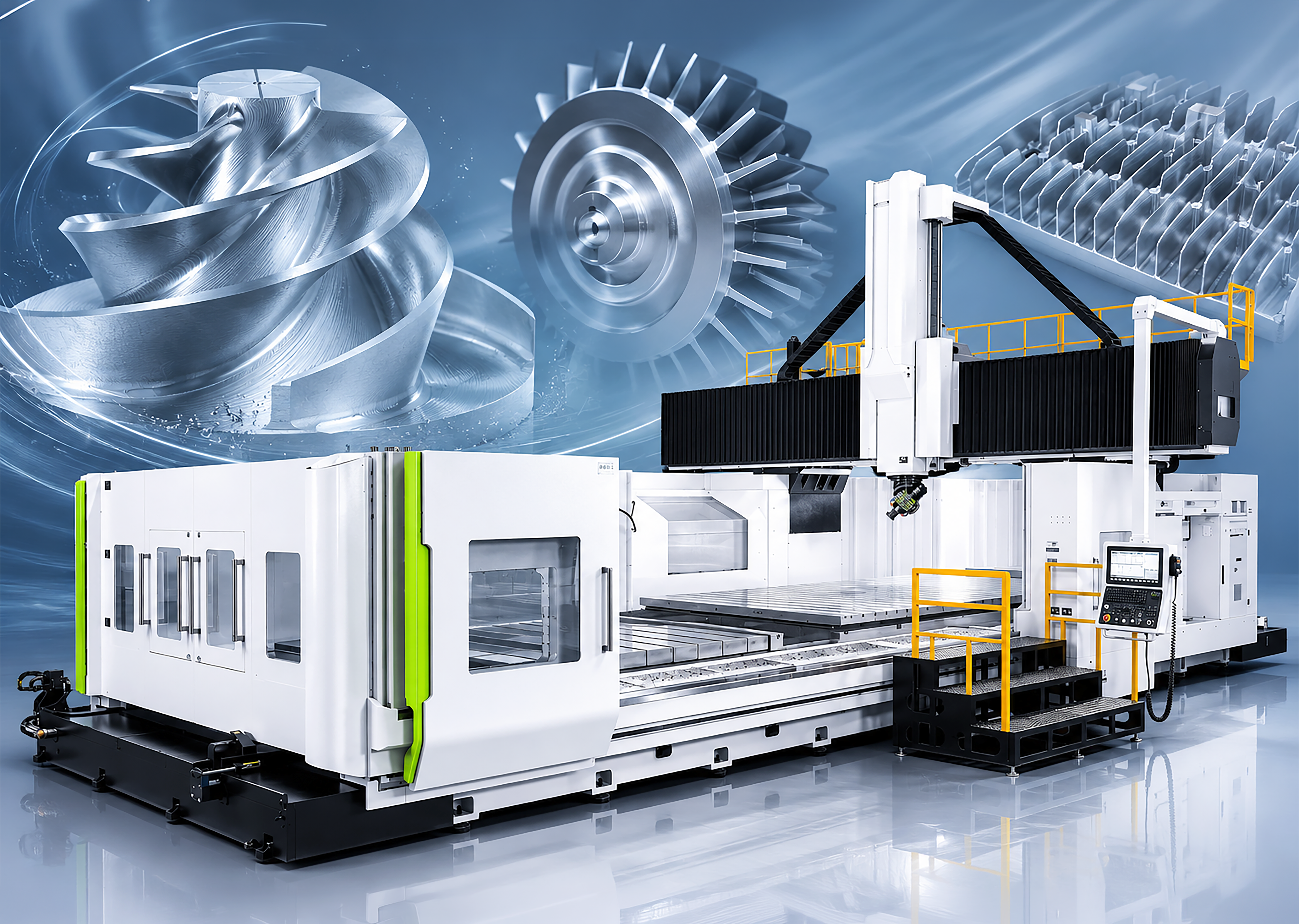
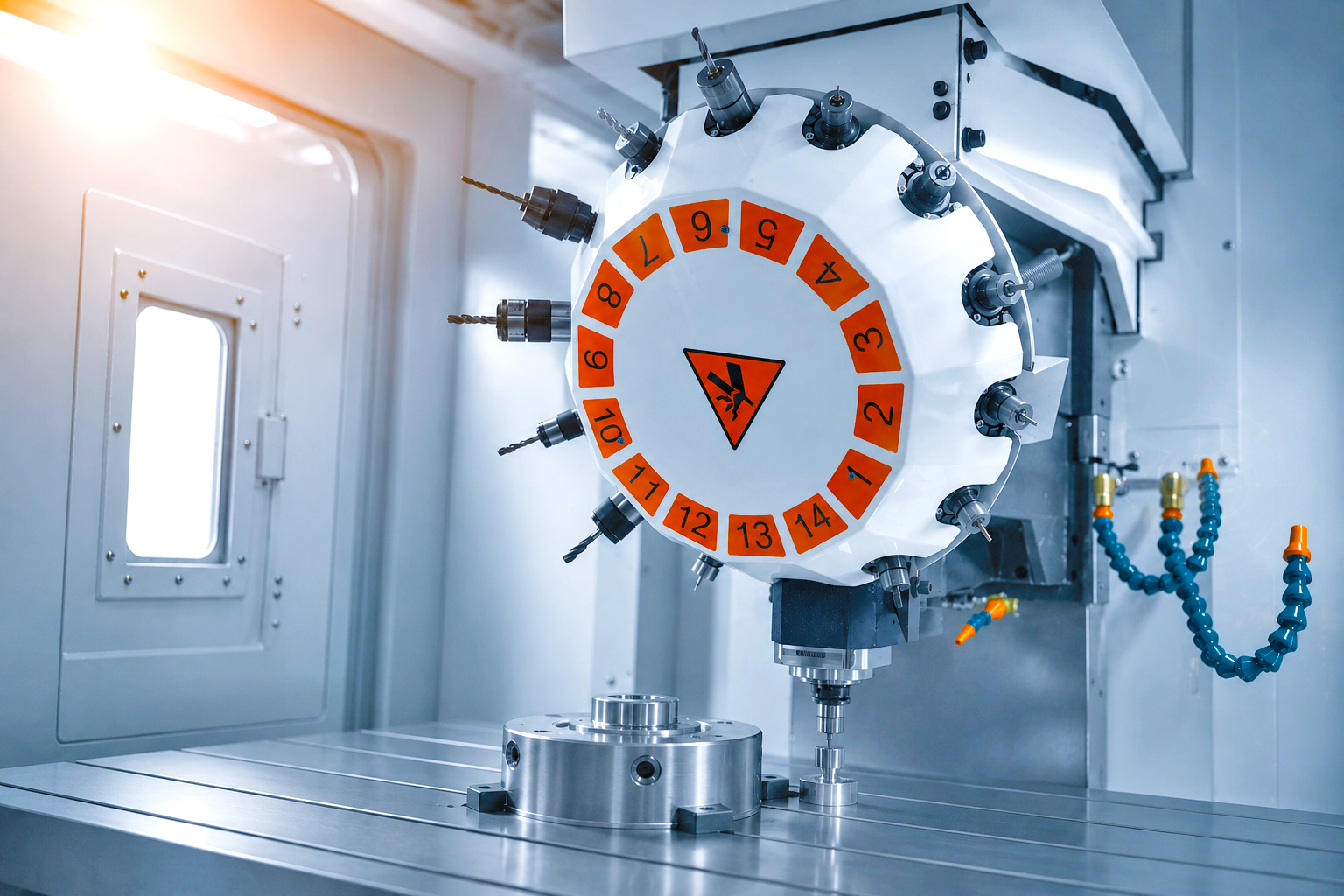
To illustrate the practical advantages of 5-axis CNC machining, the following examples highlight three representative medical components produced from different materials and manufacturing processes. Drawing on Hartford's expertise in high-precision mold machining and complex component manufacturing, these case studies demonstrate how advanced 5-axis technology enables exceptional accuracy, efficiency, and surface quality in medical production.
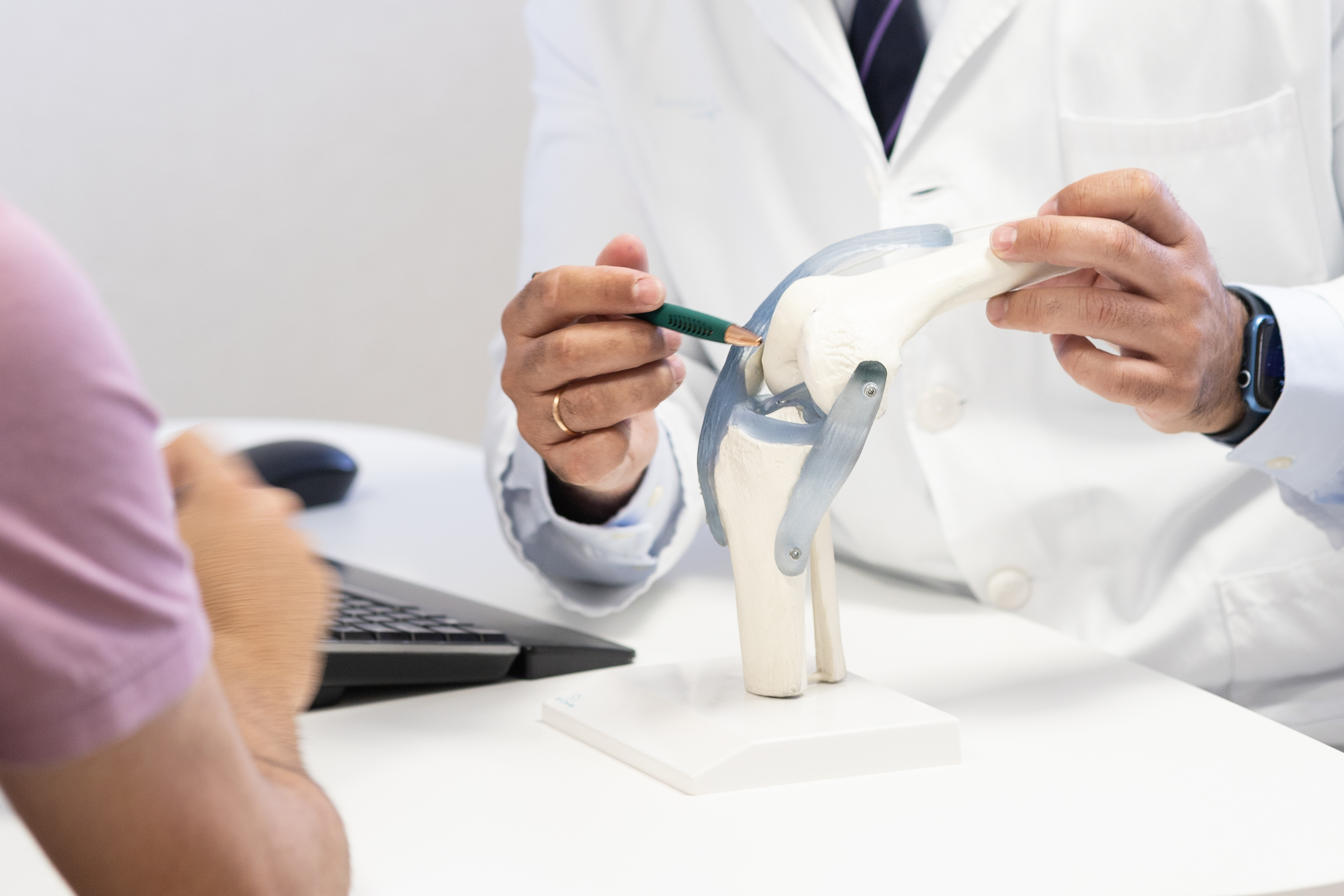
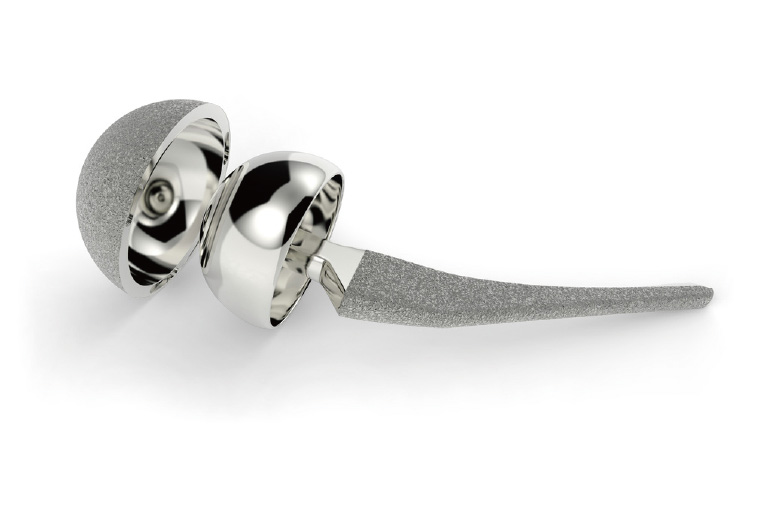
1. Artificial Knee Joint
5-Axis Tilt Machining for High-Precision Freeform Joint Surfaces
Artificial knee joints are commonly manufactured from Ti-6Al-4V (Grade 5 Titanium) because of its excellent strength, corrosion resistance, and biocompatibility. The femoral component features highly complex freeform surfaces that require exceptional dimensional accuracy, continuous surface transitions, and superior surface quality to replicate the natural movement of the human knee.
However, titanium's high strength and low thermal conductivity concentrate heat at the cutting edge, accelerating built-up edge formation, tool wear, and surface deterioration.
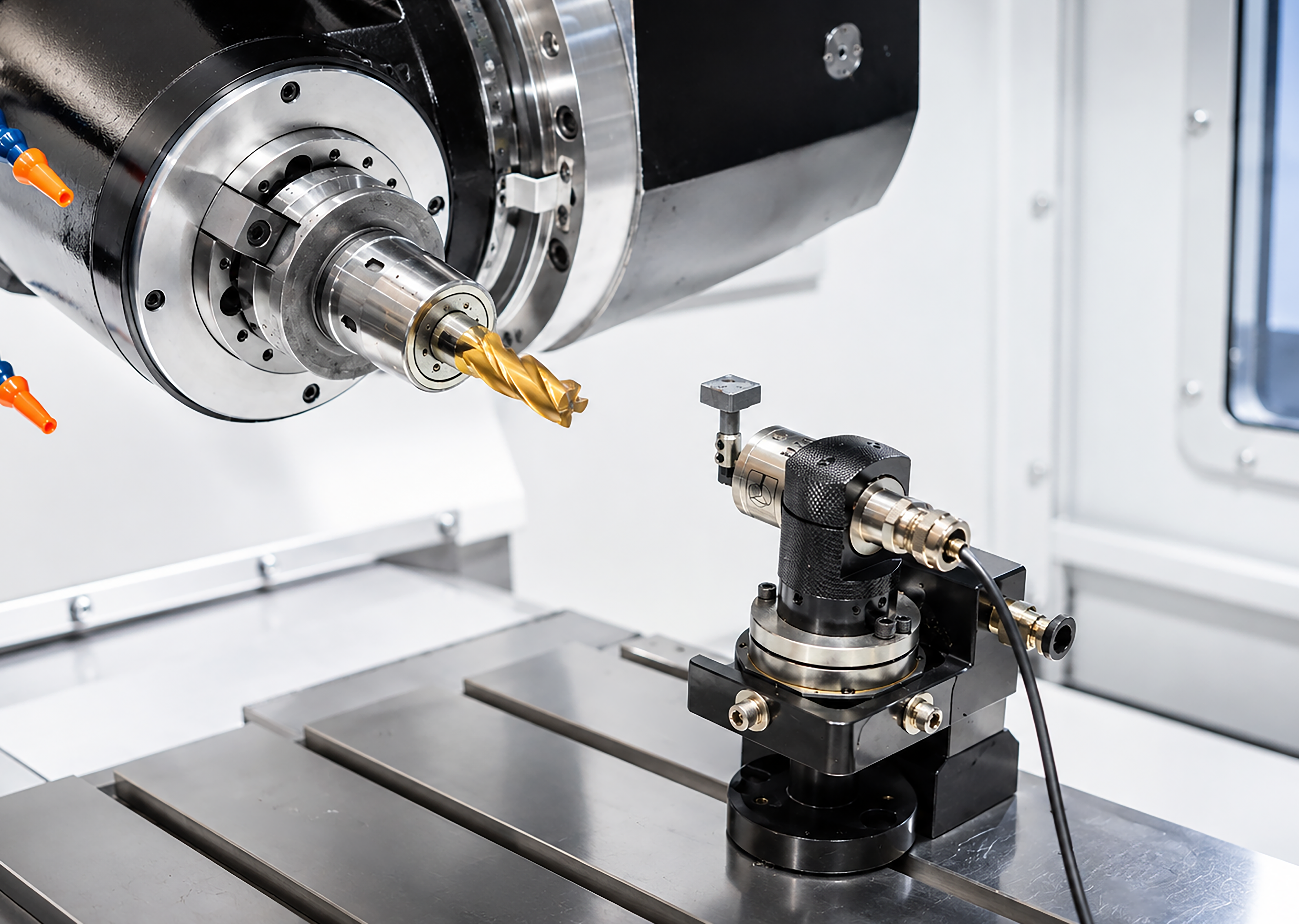
5-axis tilt machining continuously adjusts the tool orientation relative to the workpiece, allowing the ball-end mill to avoid the tool center where cutting speed approaches zero. This maintains optimal cutting speed while reducing friction and improving chip evacuation. Simultaneous rotary-axis motion also minimizes tool interference, enabling the use of shorter, more rigid cutting tools for deep-contour machining. The result is reduced vibration, lower thermal deformation, and an excellent surface finish that often requires little or no manual polishing—meeting the stringent precision and reliability standards of medical implants.
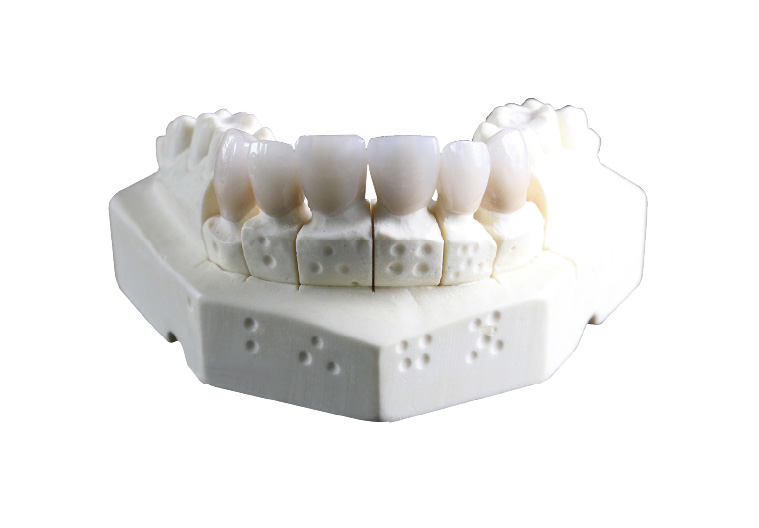
2. Dental Dies and Prosthetic Components
Superior Surface Cleanliness for High-Quality Ceramic Machining
Dental restorations, crowns, and implant components are frequently manufactured from advanced ceramics such as alumina (Al₂O₃) because of their exceptional hardness, wear resistance, and biocompatibility. However, these brittle materials are highly susceptible to microcracks, edge chipping, and residual abrasive particles during machining, all of which can compromise fit, durability, and long-term clinical performance.
By combining RTCP (Rotational Tool Center Point) control with simultaneous 5-axis motion, the cutting tool maintains its optimal orientation throughout the machining process, ensuring stable cutting forces and promoting ductile-mode material removal. This significantly reduces the risk of brittle fracture.
Multi-angle machining, together with high-efficiency coolant delivery, rapidly removes ceramic debris from the cutting zone, preventing secondary abrasion and surface contamination. The finished component exhibits a uniform microstructure, chip-free edges, minimal subsurface damage, and outstanding surface cleanliness, resulting in greater assembly accuracy and improved clinical reliability.
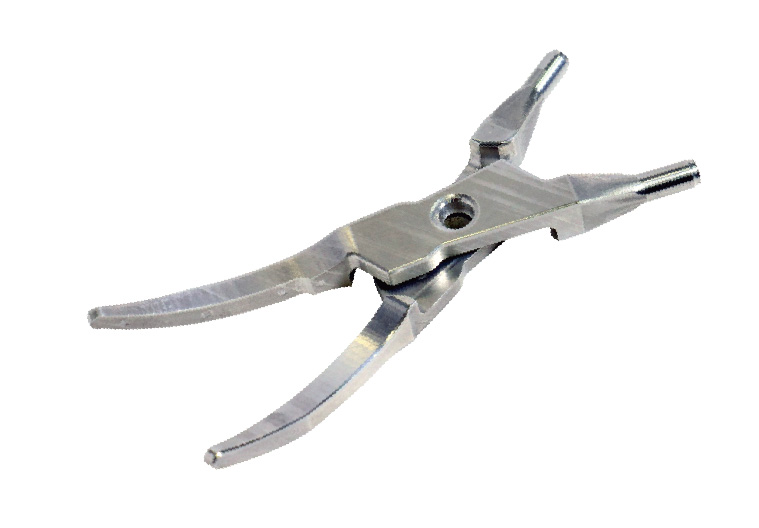
3. Hemostat
A Complete 5-Axis Machining Strategy from Roughing to Finishing
Hemostats and other precision surgical instruments are often manufactured from 6061 aluminum alloy (AL6061) for prototype development and specialized medical applications. Although their overall geometry appears relatively simple, their slender jaws, hinge slots, and precision serrations are highly susceptible to stress release and elastic deformation during material removal.
A comprehensive 5-axis machining strategy integrates roughing and finishing into a single setup. During roughing, trochoidal milling and dynamic toolpath strategies maintain constant cutter engagement, enabling rapid removal of more than 80% of the raw material while minimizing cutting heat and machining stress.
Without refixturing the workpiece, the process seamlessly transitions to simultaneous 5-axis finishing, where the serrated jaws, hinge surfaces, and thin-wall features are machined with exceptional accuracy. This single-setup approach ensures superior concentricity, assembly precision, and consistent surface quality while significantly reducing cycle time, improving dimensional stability, and increasing overall manufacturing efficiency for precision surgical instruments.