Latest News | Hartford CNC Machine Tool Events, Products and Industry Updates

Logout?

Log Out

Are you sure to log out ?

BACK Return
OKLog Out Confirmed

07.20

2026

How 5-Axis CNC Solves the Challenges of Complex Medical Part Manufacturing
5-axis CNC machining for complex medical components: core technologies and applications
test

Advancing High-Precision Medical Manufacturing: Core Technologies and Real-World Applications of 5-Axis CNC Machining for Complex Medical Components

As the global population ages and minimally invasive surgical procedures continue to evolve, demand for medical devices and implants is rapidly shifting toward greater customization, increasingly complex geometries, and superior biocompatibility. In response to these high-value manufacturing requirements, 5-axis CNC machine tools and advanced 5-axis machining centers have become indispensable technologies for producing precision medical components.


Compared with conventional 3-axis machining, modern 5-axis CNC machining centers significantly reduce production steps while delivering the precision required to machine difficult-to-cut materials. They also enable manufacturers to achieve exceptional surface finish, maintain tight geometric tolerances, and consistently meet the stringent quality standards demanded by the medical industry.


This article explores the core technologies behind 5-axis CNC machining for medical manufacturing, highlighting its key advantages in producing highly complex components. Through three representative medical applications, we demonstrate how today's advanced CNC technology is pushing beyond the limitations of conventional manufacturing to achieve new levels of precision, efficiency, and reliability.

Technical Requirements for 5-Axis Machining Centers in Medical Manufacturing

Medical implants—including artificial joints, bone screws, bone plates, and surgical instruments—are designed to replicate the complex anatomy and biomechanics of the human body. As a result, these components often feature intricate freeform surfaces and highly complex geometries that place exceptional demands on CNC machining. In practice, manufacturers face three major challenges:


1. Machining Difficult-to-Cut Materials

Medical implants are commonly manufactured from titanium alloys, cobalt-chromium (Co-Cr) alloys, and bioceramics due to their excellent strength, corrosion resistance, and biocompatibility. However, these materials are also difficult to machine because of their high strength, low thermal conductivity, and tendency to generate built-up edges, leading to rapid tool wear and reduced machining efficiency.


2. Ultra-High Surface Quality and Geometric Accuracy

To improve implant longevity and minimize tissue irritation, medical components require outstanding dimensional accuracy and surface integrity. Complex freeform surfaces must be machined seamlessly while achieving extremely low surface roughness—often approaching a mirror-like finish with Ra below 0.2 μm—to ensure optimal clinical performance.


3. Eliminating Errors from Multiple Setups

Conventional multi-process machining often requires repeated repositioning and fixturing, which can introduce cumulative positioning errors, reduce dimensional consistency, and even deform thin-walled components due to uneven clamping forces.


5-axis simultaneous machining addresses these challenges by synchronizing the three linear axes (X, Y, and Z) with the rotary axes (A, B, and C) in a single continuous operation. This enables the cutting tool to maintain the optimal tool orientation throughout the machining process, improves cutting stability and surface quality, and makes done-in-one machining possible. By completing complex parts in a single setup, manufacturers can significantly reduce accumulated tolerance errors, shorten production cycles, and achieve the precision and consistency required for high-end medical manufacturing.

Three Medical Manufacturing Applications: How 5-Axis CNC Machining Delivers Superior Performance

test

Artificial Knee Joint

test

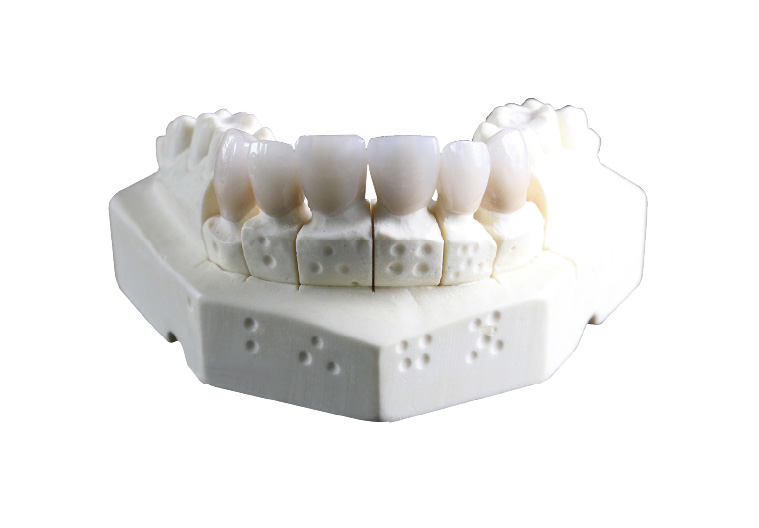
Dental Die

test

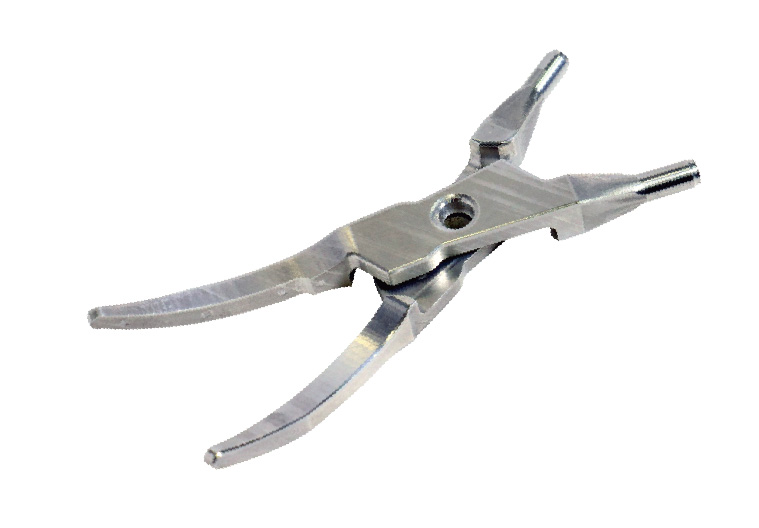
Hemostat

To illustrate the practical advantages of 5-axis CNC machining, the following examples highlight three representative medical components produced from different materials and manufacturing processes. Drawing on Hartford's expertise in high-precision mold machining and complex component manufacturing, these case studies demonstrate how advanced 5-axis technology enables exceptional accuracy, efficiency, and surface quality in medical production.


1. Artificial Knee Joint

5-Axis Tilt Machining for High-Precision Freeform Joint Surfaces


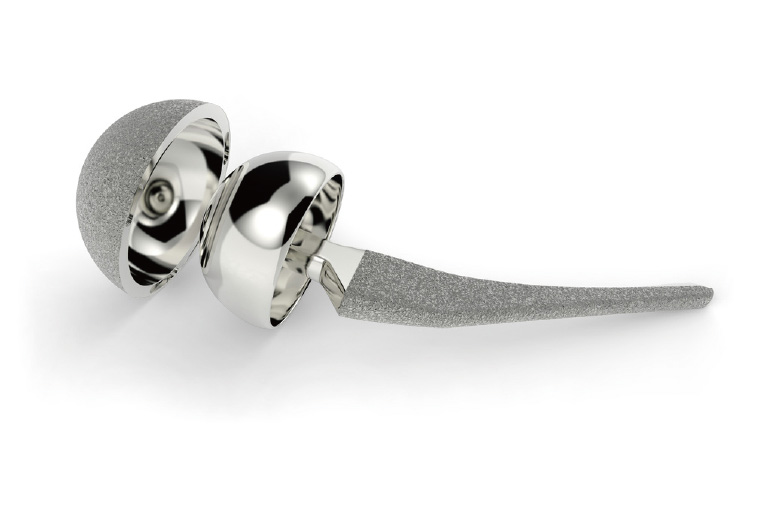
Artificial knee joints are commonly manufactured from Ti-6Al-4V (Grade 5 Titanium) because of its excellent strength, corrosion resistance, and biocompatibility. The femoral component features highly complex freeform surfaces that require exceptional dimensional accuracy, continuous surface transitions, and superior surface quality to replicate the natural movement of the human knee.


However, titanium's high strength and low thermal conductivity concentrate heat at the cutting edge, accelerating built-up edge formation, tool wear, and surface deterioration.


5-axis tilt machining continuously adjusts the tool orientation relative to the workpiece, allowing the ball-end mill to avoid the tool center where cutting speed approaches zero. This maintains optimal cutting speed while reducing friction and improving chip evacuation. Simultaneous rotary-axis motion also minimizes tool interference, enabling the use of shorter, more rigid cutting tools for deep-contour machining. The result is reduced vibration, lower thermal deformation, and an excellent surface finish that often requires little or no manual polishing—meeting the stringent precision and reliability standards of medical implants.


2. Dental Dies and Prosthetic Components

Superior Surface Cleanliness for High-Quality Ceramic Machining


Dental restorations, crowns, and implant components are frequently manufactured from advanced ceramics such as alumina (Al₂O₃) because of their exceptional hardness, wear resistance, and biocompatibility. However, these brittle materials are highly susceptible to microcracks, edge chipping, and residual abrasive particles during machining, all of which can compromise fit, durability, and long-term clinical performance.


By combining RTCP (Rotational Tool Center Point) control with simultaneous 5-axis motion, the cutting tool maintains its optimal orientation throughout the machining process, ensuring stable cutting forces and promoting ductile-mode material removal. This significantly reduces the risk of brittle fracture.


Multi-angle machining, together with high-efficiency coolant delivery, rapidly removes ceramic debris from the cutting zone, preventing secondary abrasion and surface contamination. The finished component exhibits a uniform microstructure, chip-free edges, minimal subsurface damage, and outstanding surface cleanliness, resulting in greater assembly accuracy and improved clinical reliability.


3. Hemostat

A Complete 5-Axis Machining Strategy from Roughing to Finishing


Hemostats and other precision surgical instruments are often manufactured from 6061 aluminum alloy (AL6061) for prototype development and specialized medical applications. Although their overall geometry appears relatively simple, their slender jaws, hinge slots, and precision serrations are highly susceptible to stress release and elastic deformation during material removal.


A comprehensive 5-axis machining strategy integrates roughing and finishing into a single setup. During roughing, trochoidal milling and dynamic toolpath strategies maintain constant cutter engagement, enabling rapid removal of more than 80% of the raw material while minimizing cutting heat and machining stress.


Without refixturing the workpiece, the process seamlessly transitions to simultaneous 5-axis finishing, where the serrated jaws, hinge surfaces, and thin-wall features are machined with exceptional accuracy. This single-setup approach ensures superior concentricity, assembly precision, and consistent surface quality while significantly reducing cycle time, improving dimensional stability, and increasing overall manufacturing efficiency for precision surgical instruments.
test

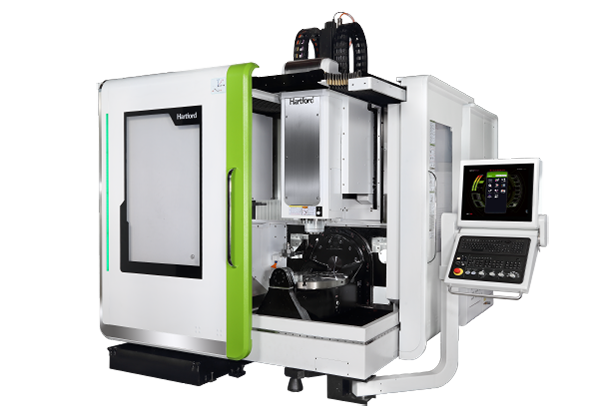
Hartford 5A-65E 5-axis vertical machining center

Advancing Smart Medical Manufacturing with the Hartford 5A Series 5-Axis Machining Centers

As medical manufacturers continue to demand tighter geometric tolerances, superior surface finishes, and uncompromising process stability, the performance of the machining center itself becomes a critical competitive advantage. Machine rigidity, thermal stability, and intelligent compensation technologies are essential for consistently producing high-precision medical components.


Engineered for complex geometries and micron-level accuracy, the Hartford 5A Series 5-axis vertical machining centers are designed to meet the demanding requirements of modern medical manufacturing.


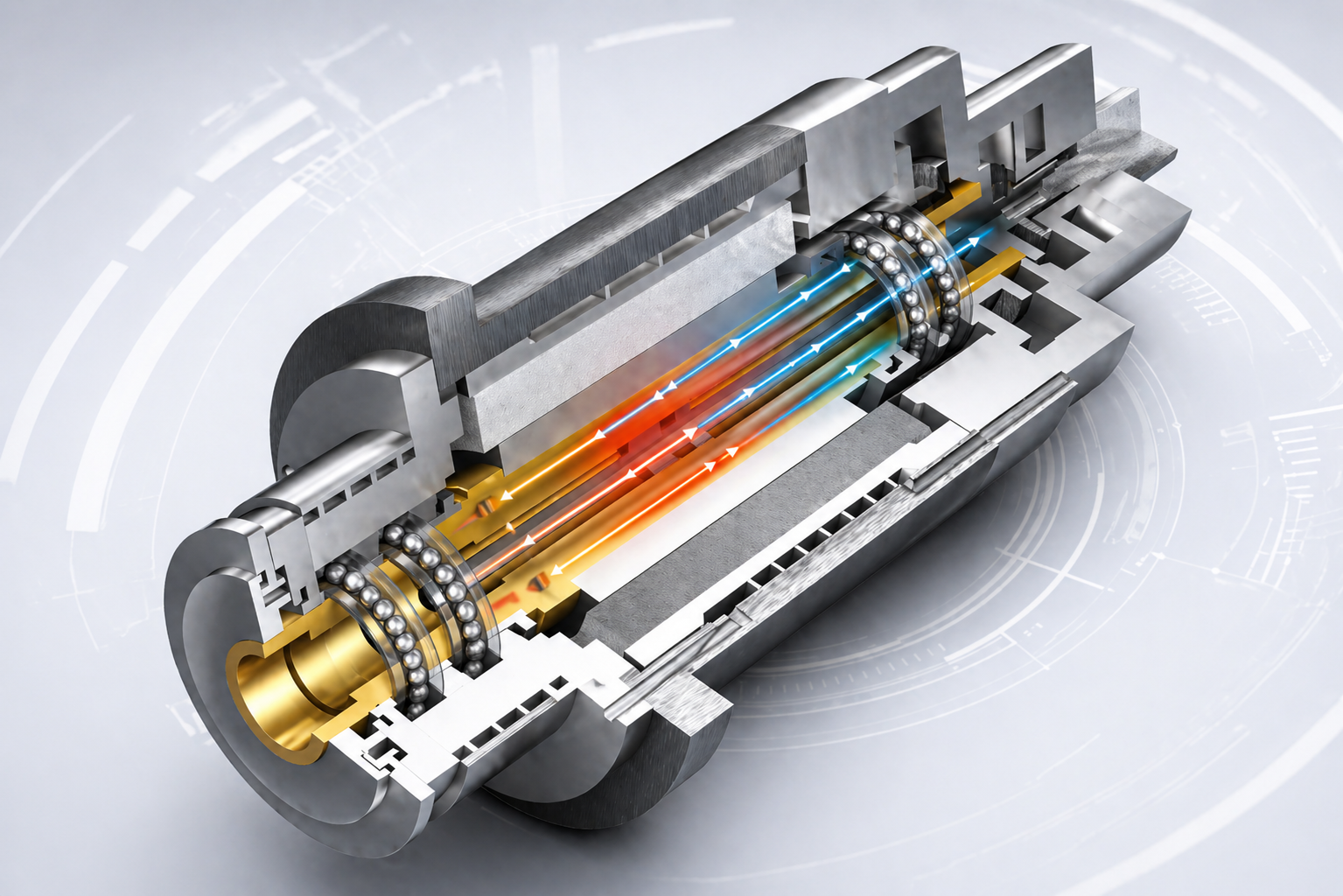
Spindle Shaft Cooling for Exceptional Thermal Stability

The Hartford 5A Series features an integrated spindle shaft cooling system that reduces spindle thermal displacement by up to 70%. Combined with Hartford's in-house developed oil-air lubricated spindle, which maintains spindle runout within 5 μm, the machine delivers outstanding thermal stability during extended machining of difficult-to-cut materials such as titanium and cobalt-chromium alloys. This ensures consistent dimensional accuracy, excellent surface quality, and reliable long-cycle machining performance.


SmartCenter Intelligent Machining Technologies

Equipped with SmartCenter intelligent machining technologies, the 5A Series integrates 3D machining simulation, collision avoidance, and intelligent thermal compensation to improve process reliability and reduce machining errors caused by programming mistakes or thermal growth. These intelligent functions help manufacturers minimize scrap, improve first-pass yield, and support the medical industry's pursuit of zero-defect manufacturing.


Designed for the Future of Medical Manufacturing

As medical manufacturing continues to evolve toward greater automation, higher precision, and increased production flexibility, the Hartford 5A Series provides more than just a high-performance 5-axis machining center. It offers a comprehensive manufacturing platform for producing complex medical components with exceptional accuracy, productivity, and long-term process stability.


Whether machining orthopedic implants, dental components, surgical instruments, or other high-value precision parts, the Hartford 5A Series enables manufacturers to achieve the quality, consistency, and manufacturing efficiency required to remain competitive in today's global medical device industry.

Learn More
Other News
news

Large Part Machining Solution | High-Torque Horizontal Boring Mill

PBM-115A successfully commissioned in South Africa

07.092026
MORE

Building Trust Through Engineering: HSA-427EAY Proven Before Delivery

HSA-EAY series plano miller — large-part machining solutions proven through every test

07.032026
MORE

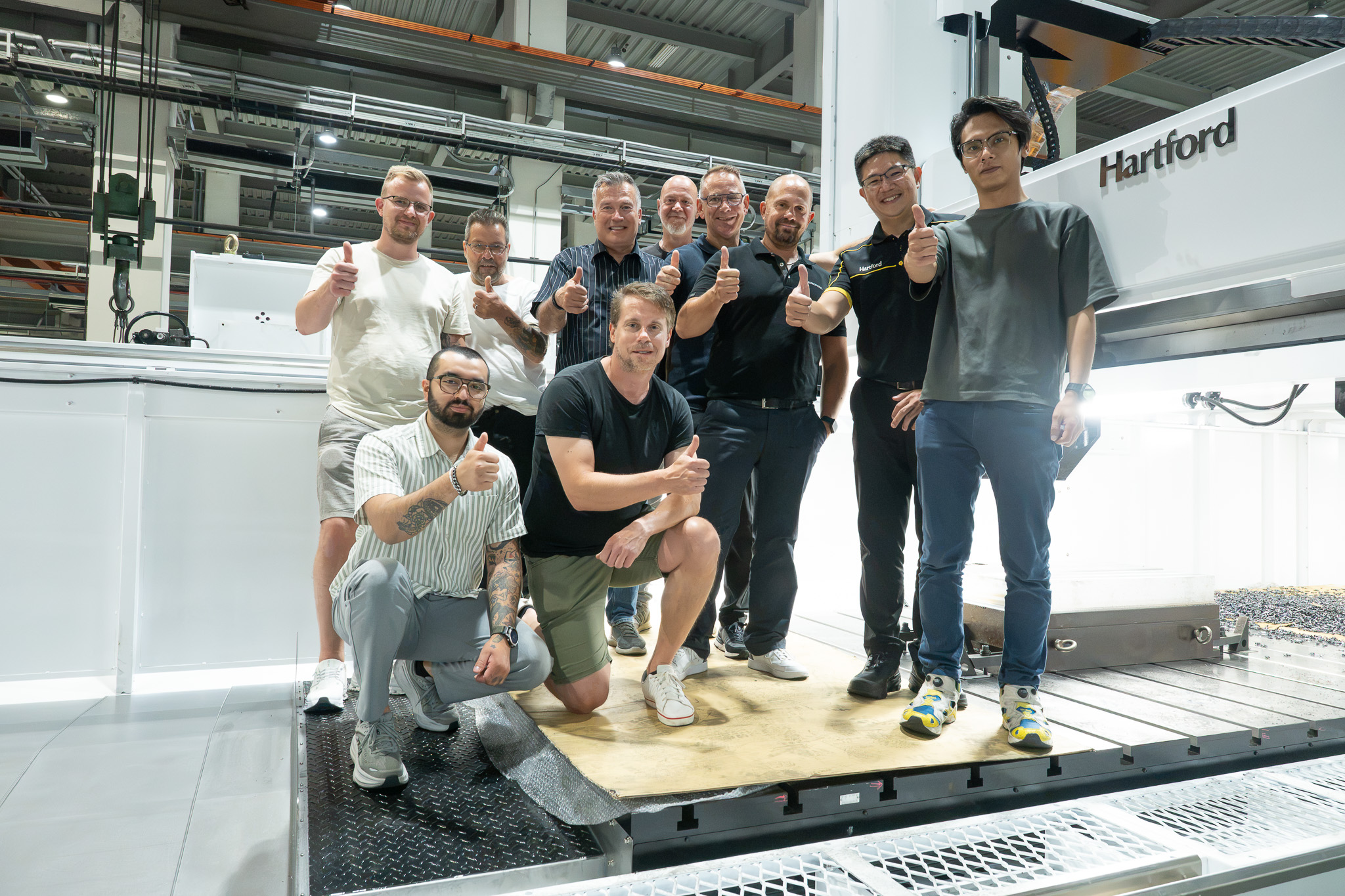
Hartford Completes SW-623 Factory Acceptance Test with Swedish Distributor

06.292026
MORE

How to Prevent Tool Breakage and Workpiece Scrap in 5-Axis Machining?

Entering the era of smart 5-axis manufacturing with TPS tool protection system

06.252026
MORE

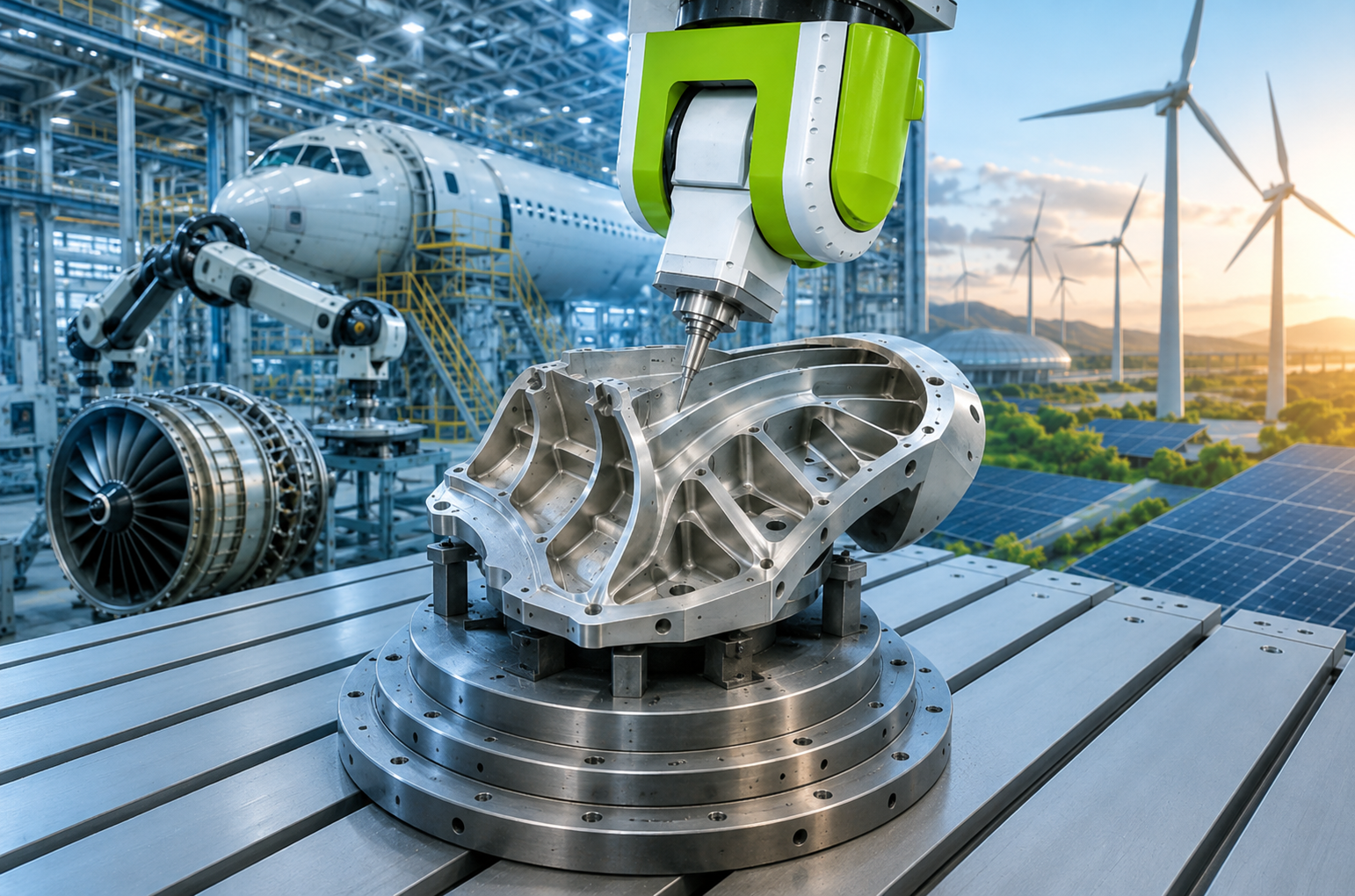
The New Era of Green Energy and Aerospace Manufacturing

How 5-Axis Machining and Process Integration Are Pushing the Limits of Complex Part Production

06.172026
MORE

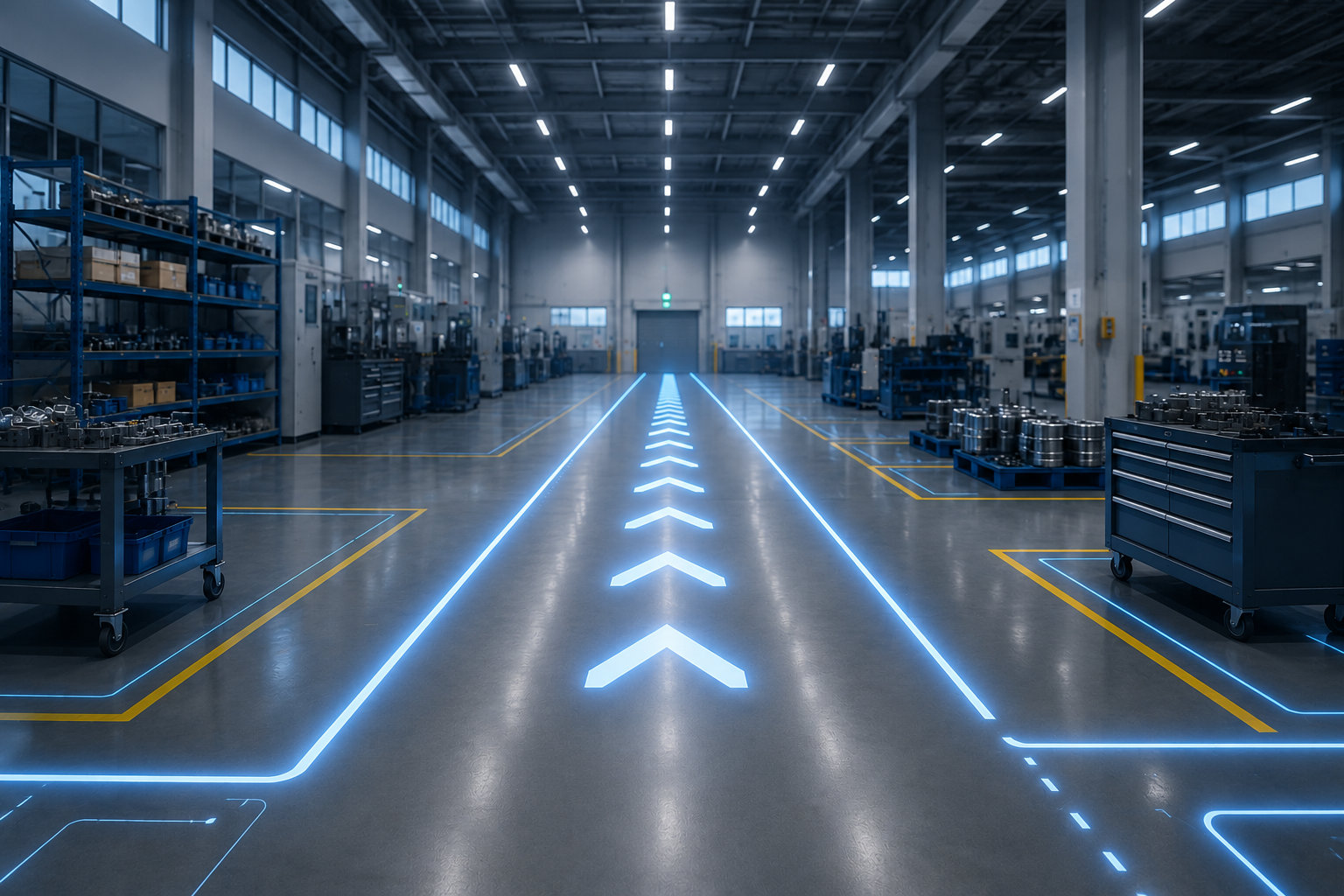
How Can Machine Tool Layouts Support Factory Workflow?

Flexible Factory Planning with Vertical Machining Centers Featuring Optional Left- or Right-Side Chip Conveyors

06.122026
MORE

Taiwan–Czech Alliance Advances Intelligent 5-Axis Machining

From Digital Twins and AI to Smart Manufacturing: Building the Next Generation of Advanced Machining Solutions

06.042026
MORE

How 5-Face Gantry Machining Solves the Biggest Challenges in Large-Part Manufacturing

Hartford HSA-546AAC ushers in a new era of high-efficiency and automated large-part machining

06.032026
MORE

Next-Generation Precision Manufacturing Solution for High-Volume Production

Hartford Launches the SMC-7 Next-Generation High-Speed Drilling and Tapping Machining Center

05.292026
MORE

How Can Large Workpieces Solve Multi-Angle Machining and Labor Shortage Challenges?

Gantry machining center series automatic tool-type angle head changer system

05.182026
MORE

Hartford PBM-135 Successfully Delivered in the UK

Deepening Our Presence in the UK — Hartford PBM-135 Horizontal Boring and Milling Machine Successfully Delivered to a UK Customer

05.152026
MORE

Hartford Integrates Taiwan's Precision Cooling Tech

Smart Machinery: A Revolution from the Core—Leading EV, Aerospace, and Precision Tooling to the Global Stage

04.302026
MORE

DX × GX Driving Precision Machining in Europe

Hartford Completes Strategic Market Expansion in Poland

04.272026
MORE

Application Results from Meximold Exhibition

Through the exhibition platform, UPTECH successfully conveyed Hartford’s strengths in mold machining to the Mexican market.

04.222026
MORE

Key Technologies in Aerospace, Semiconductor, and EV Machining

An In-Depth Look at the Importance of Tool Center Point (TCP) in 5-Axis Machining

04.132026
MORE

What Is Micro-Stability Concept?

Why High-Precision CNC Machining Can No Longer Rely on Single-Axis Accuracy Alone?

04.072026
MORE

TMTS 2026 Successfully Concludes

Thank You to Our Global Customers, Partners, and Academic Visitors for Visiting Hartford

03.312026
MORE

Vietnamese Delegation and Indian Buyer Visit Hartford Factory During TMTS

A Closer Look at CNC Machining Applications, Smart Manufacturing, and Equipment Utilization Management

03.272026
MORE

Hartford Highlights Semiconductor and Micro-Machining at TMTS 2026

Thanks to major media for their coverage.(Economic Daily News, Commercial Times, China Times News, Yahoo News)

03.252026
MORE

How to Solve Chip Wrapping in Drilling?

Hartford Chip-Breaking Technology Delivers High Cost-Performance CNC Machining

03.232026
MORE