Enhancing Machining Efficiency for Large and Complex Workpieces, Creating a New Generation of High-Flexibility Smart Machining
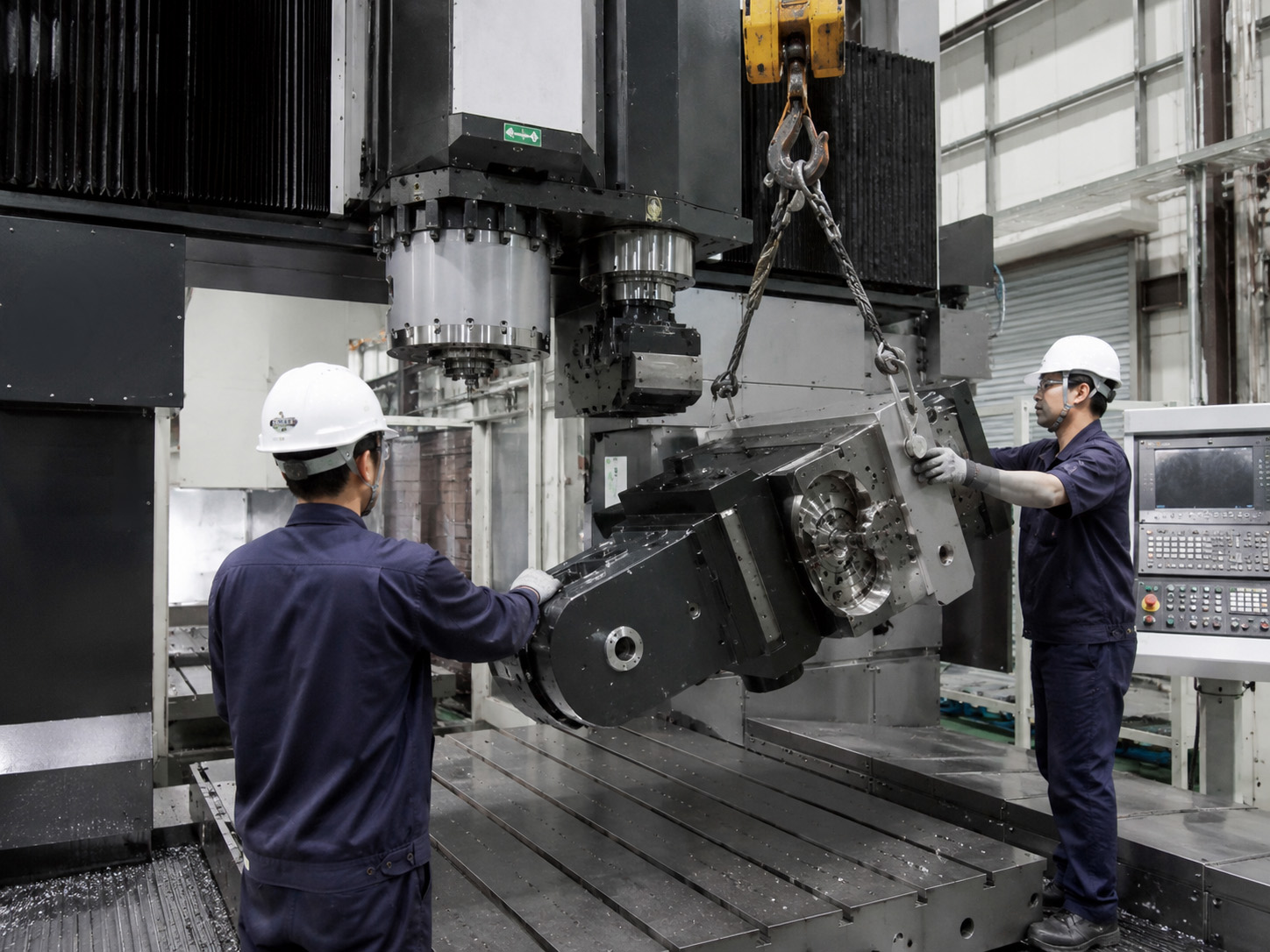
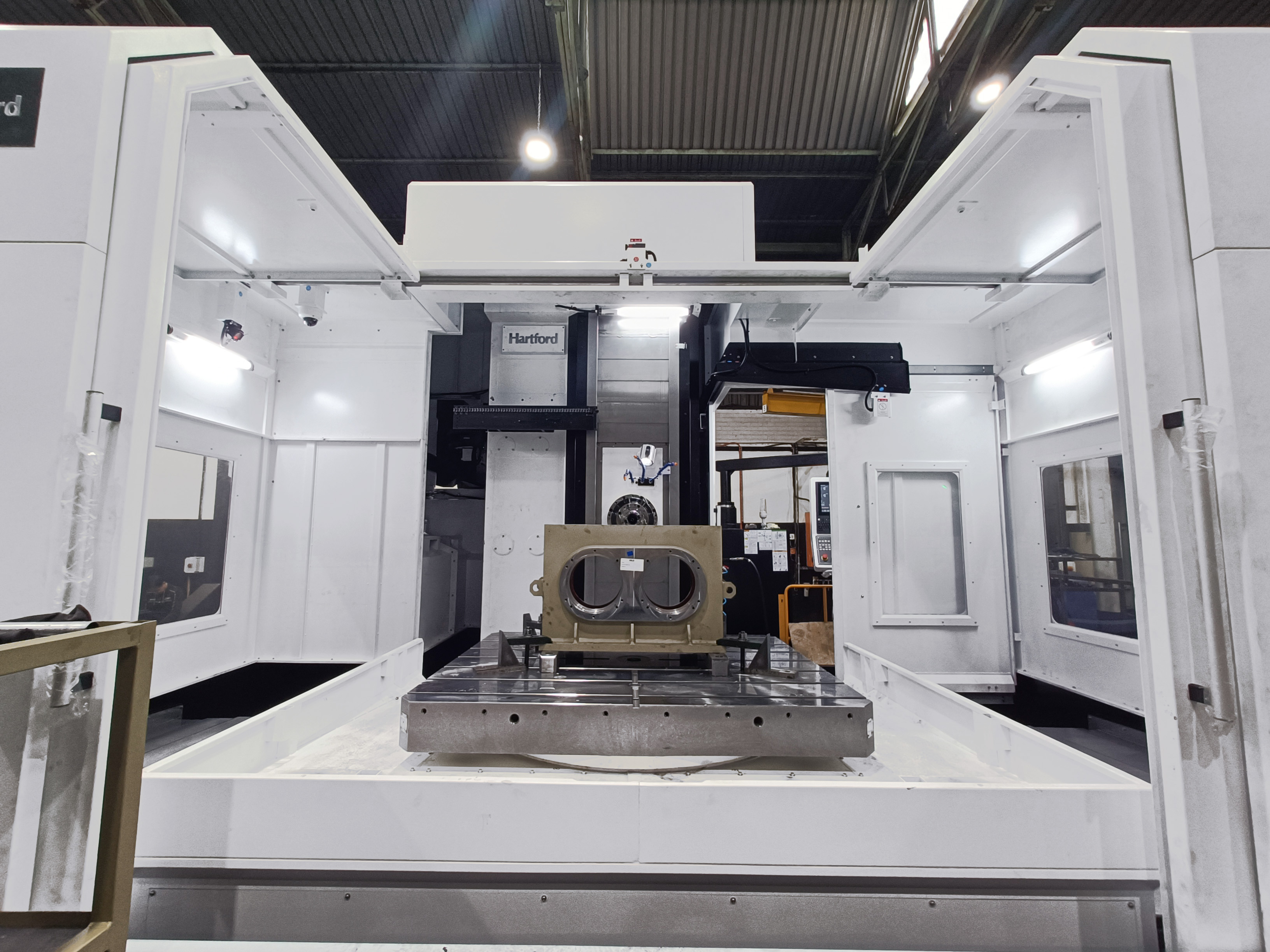
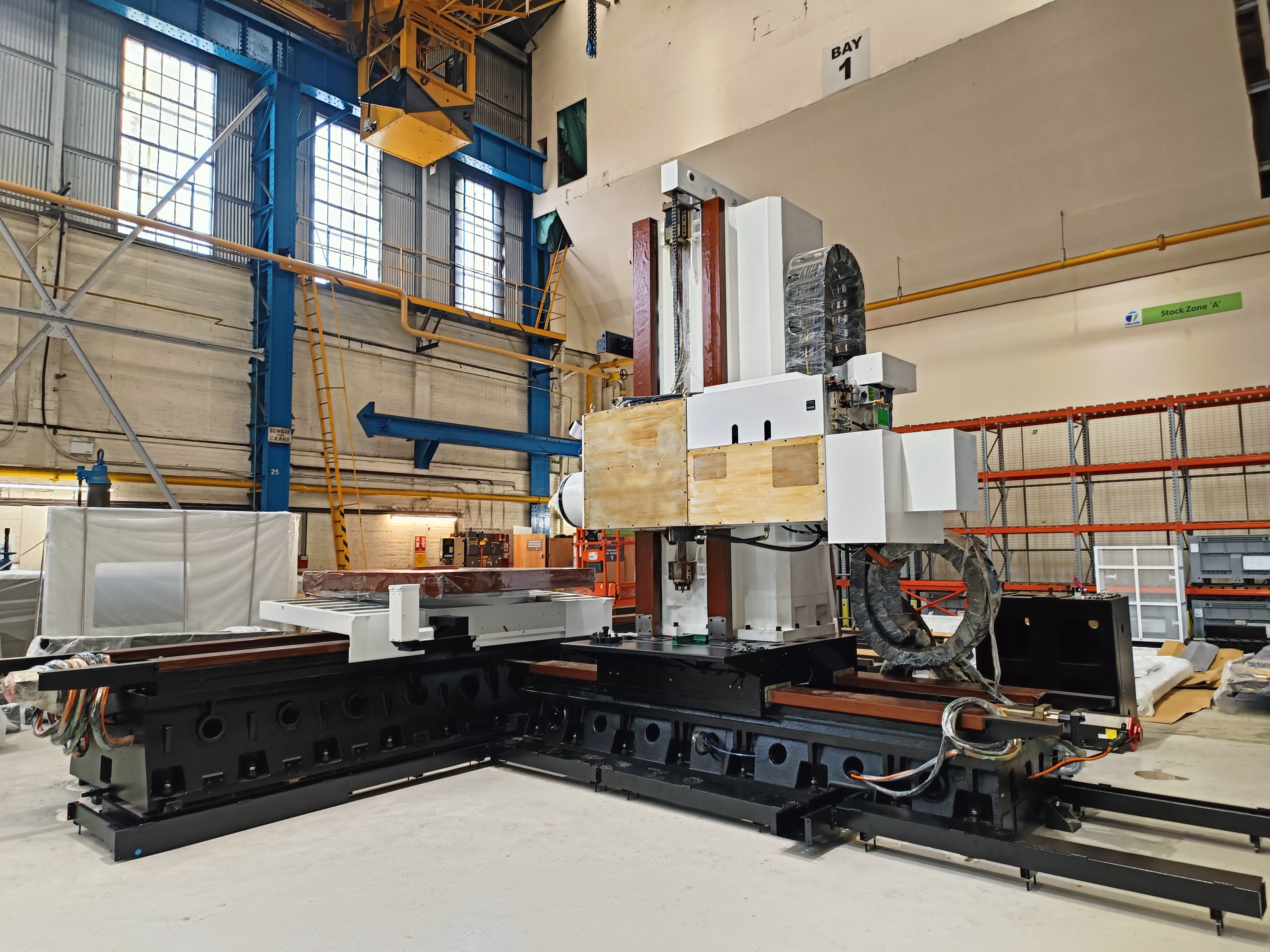
Traditional manual tool-type angle head replacement
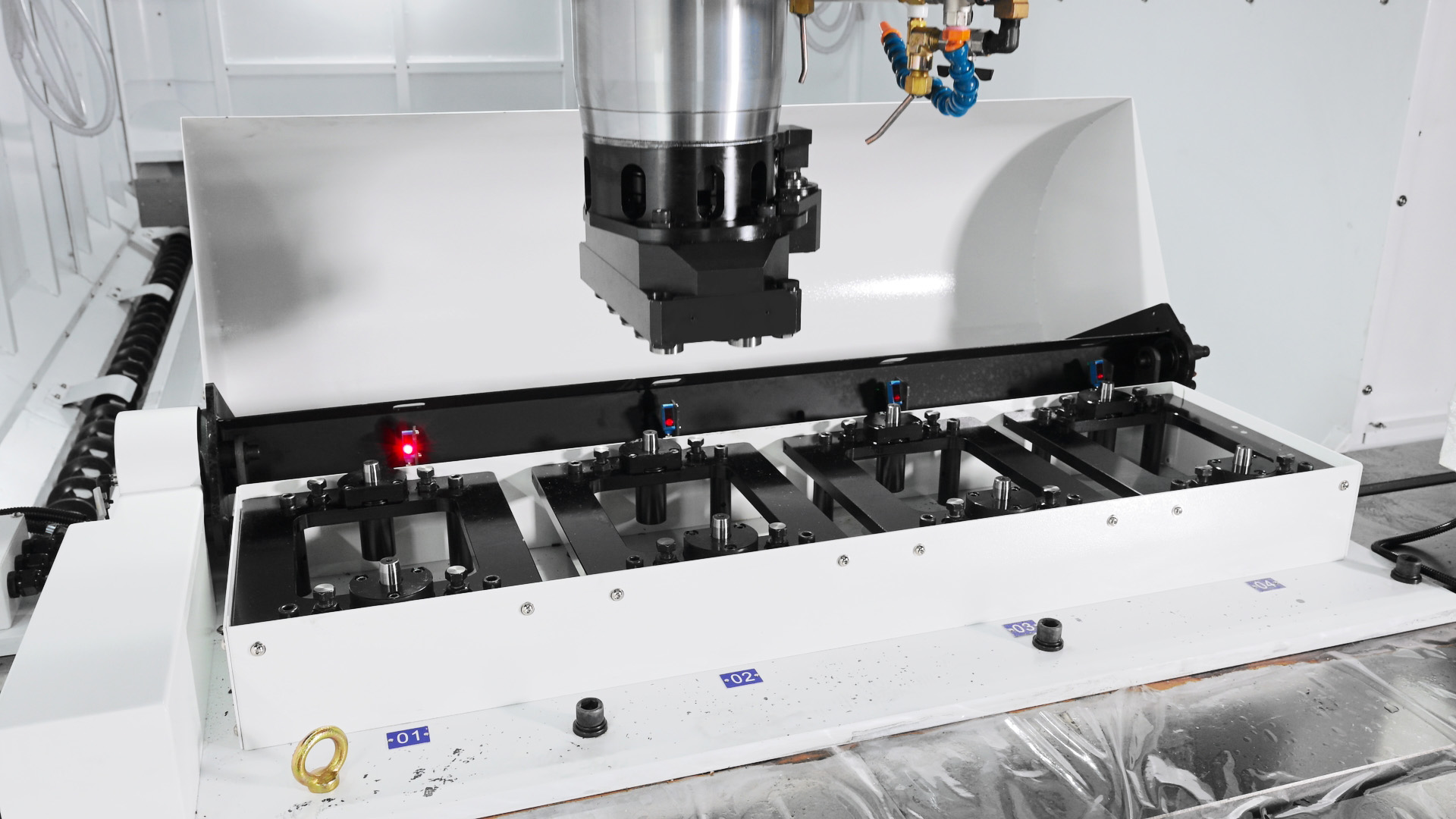
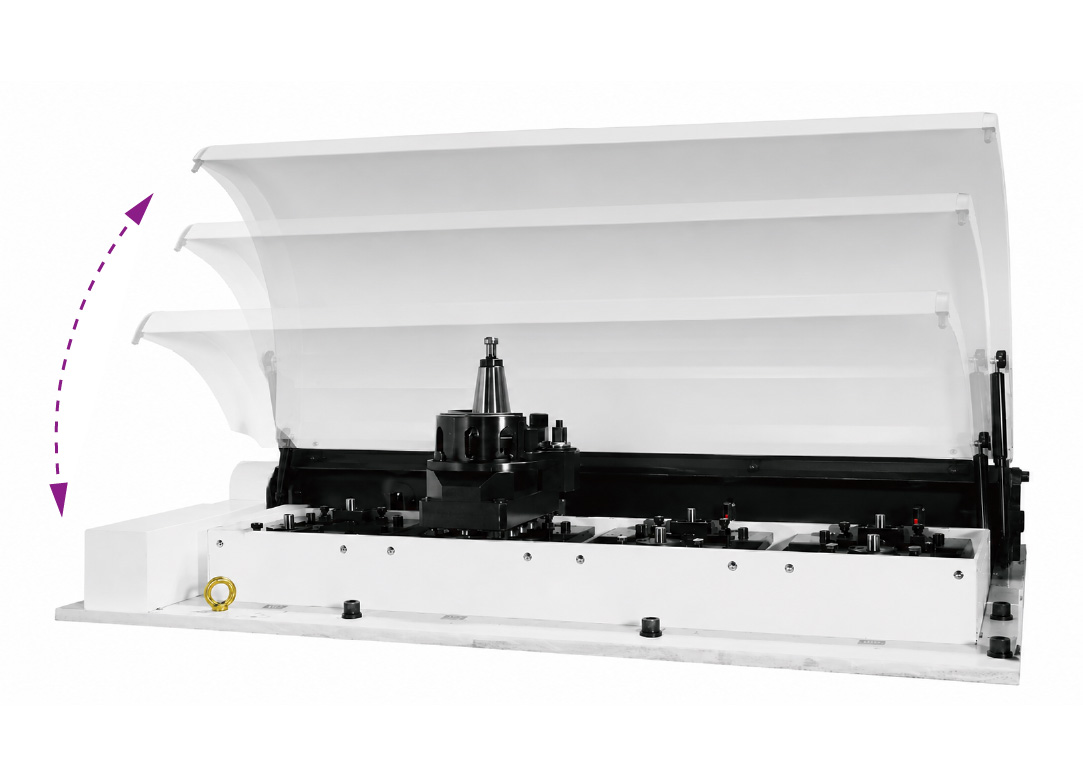
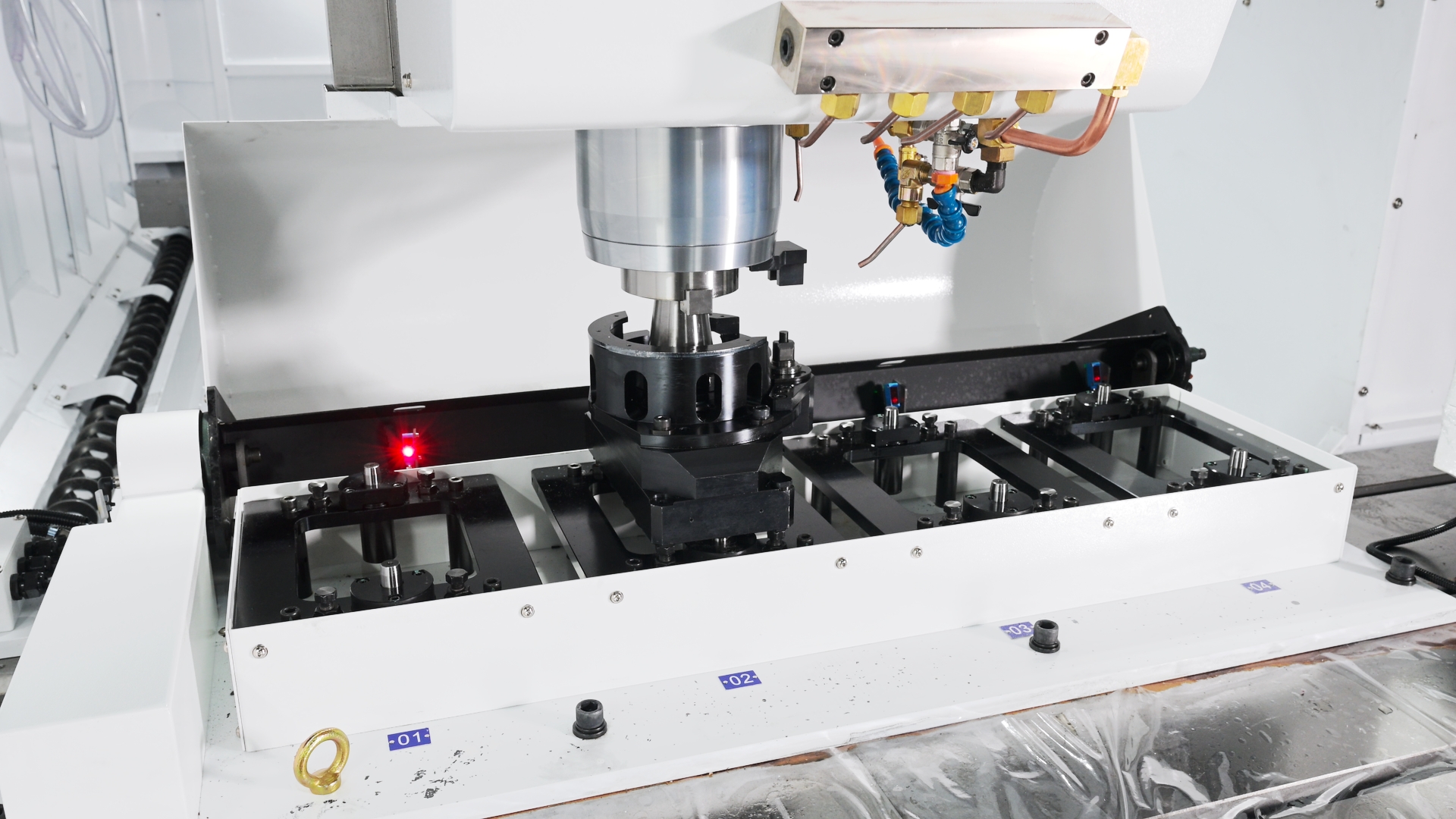
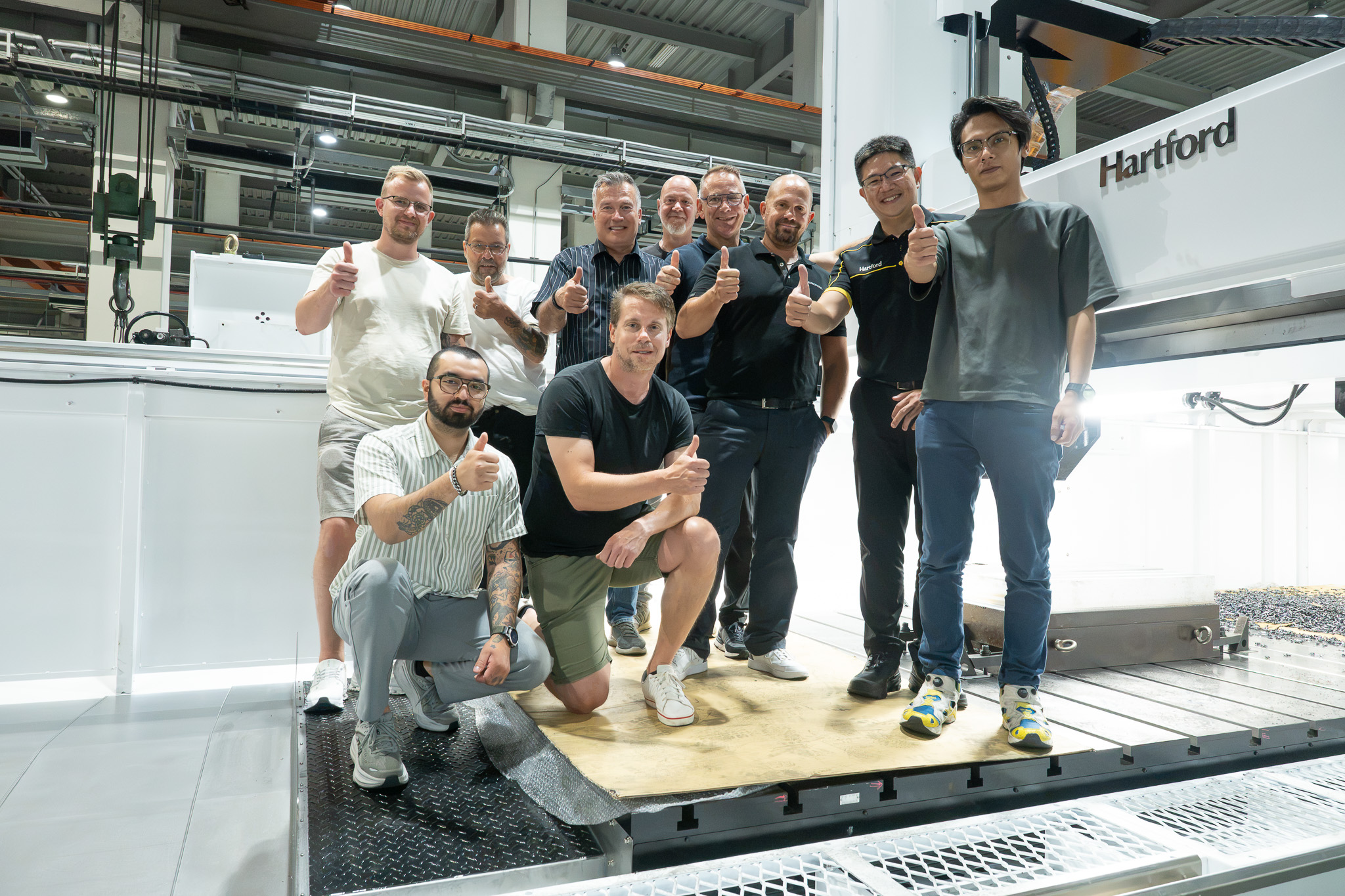
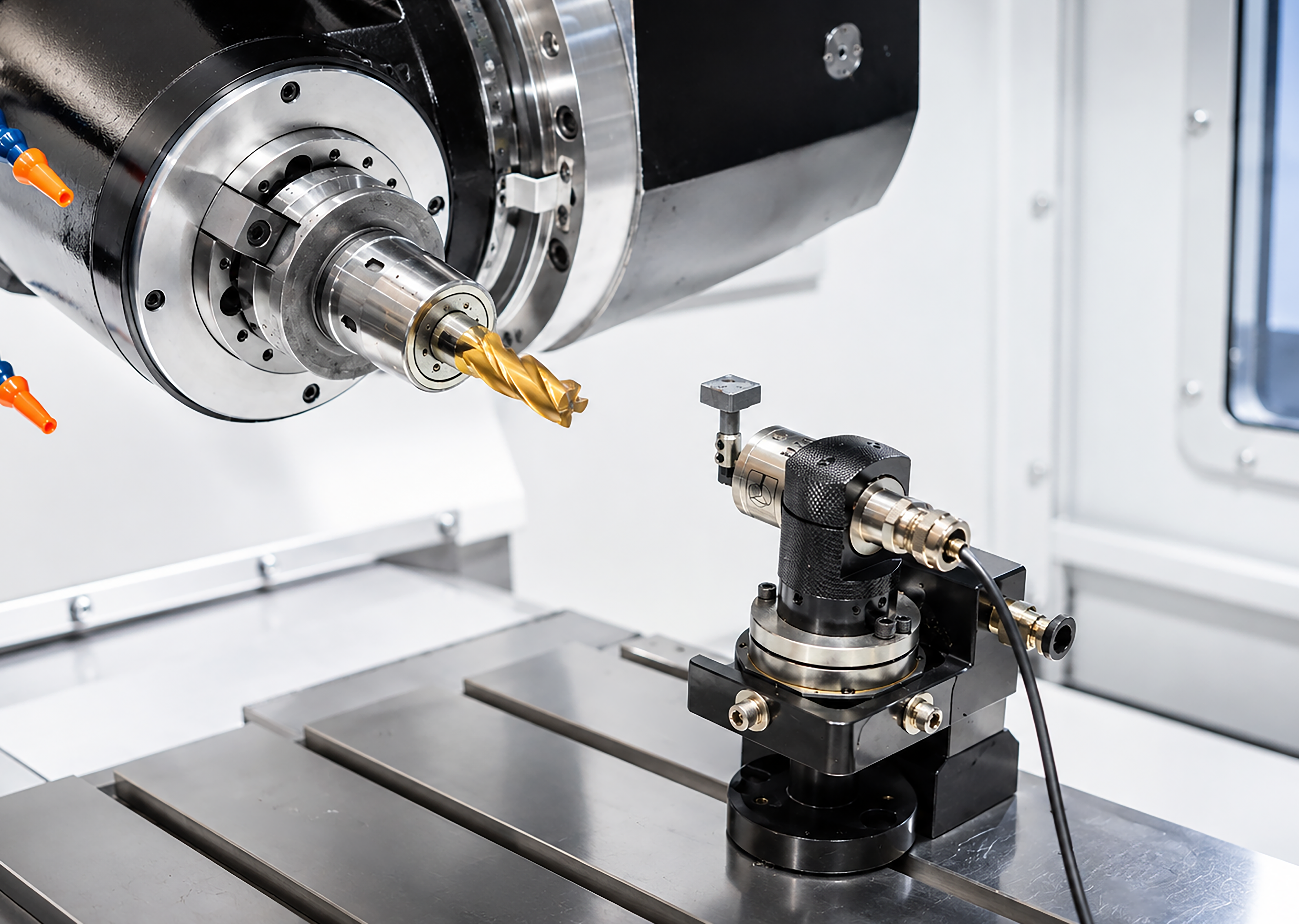
Hartford automatic tool-type angle head changer
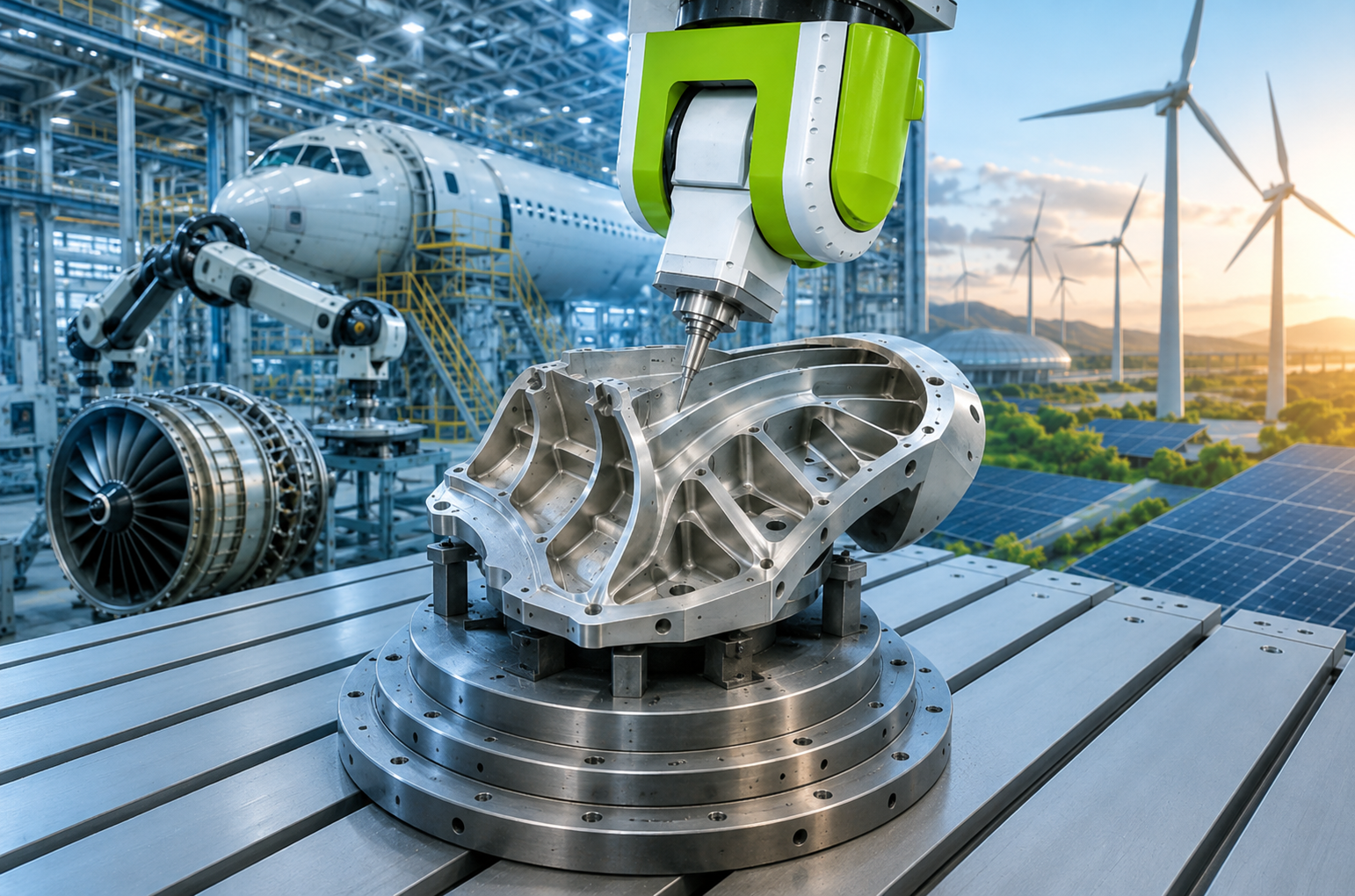
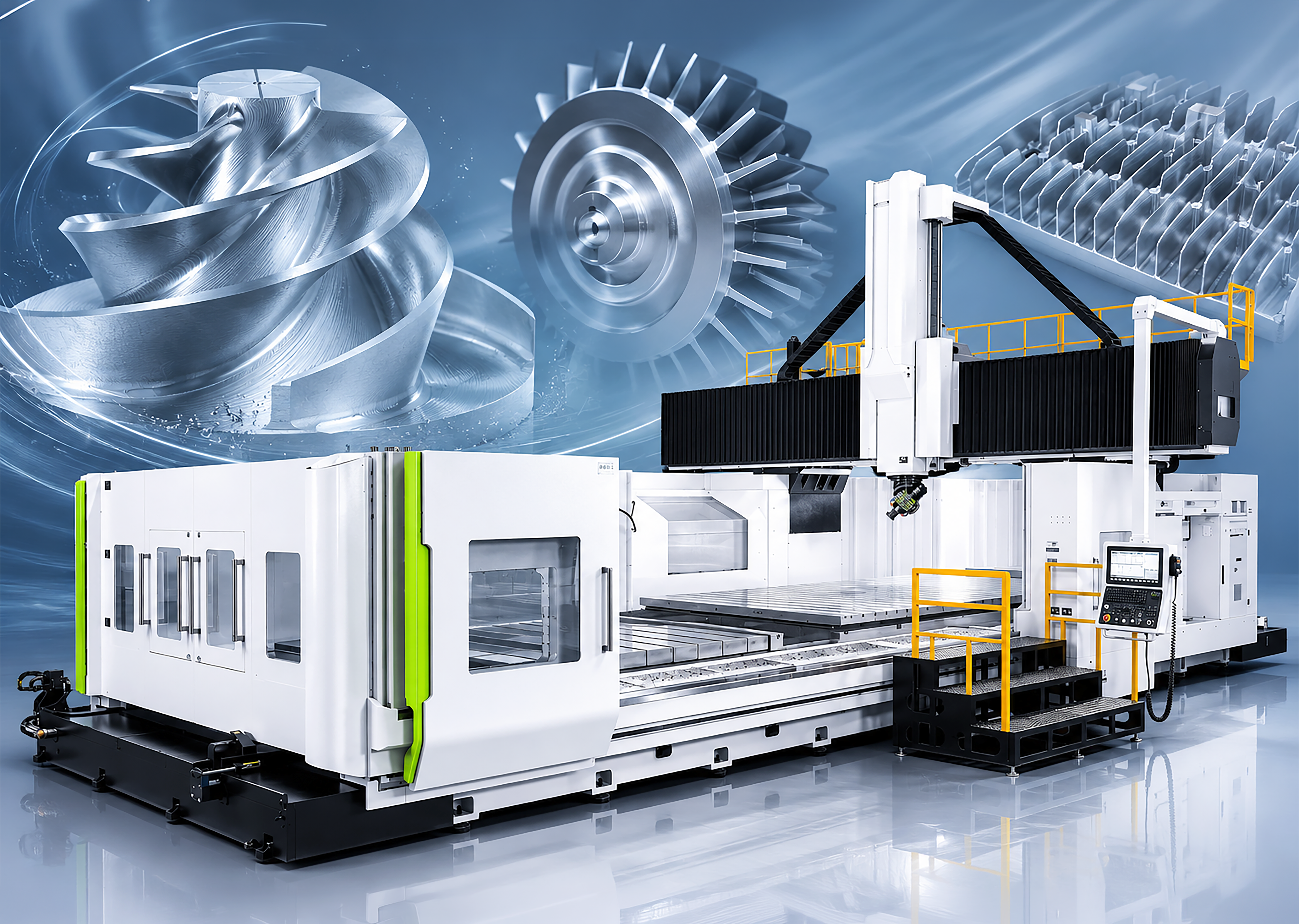
As the global manufacturing industry continues moving toward larger workpieces, higher precision, automation, and reduced labor dependency, traditional machining methods are gradually becoming insufficient for modern production demands. Especially in industries such as mold manufacturing, electric vehicle parts, aerospace components, and automotive parts machining, workpieces are becoming increasingly larger and more complex. This not only requires machines with high rigidity, but also demands multi-angle machining capability, automation integration, and long-term stable machining performance.
Traditional gantry machining centers often require manual angle head replacement or repeated workpiece repositioning when handling multi-angle machining tasks. These processes consume significant production time and can easily lead to accumulated machining errors caused by repeated alignment and repositioning, ultimately affecting both machining quality and overall production efficiency.
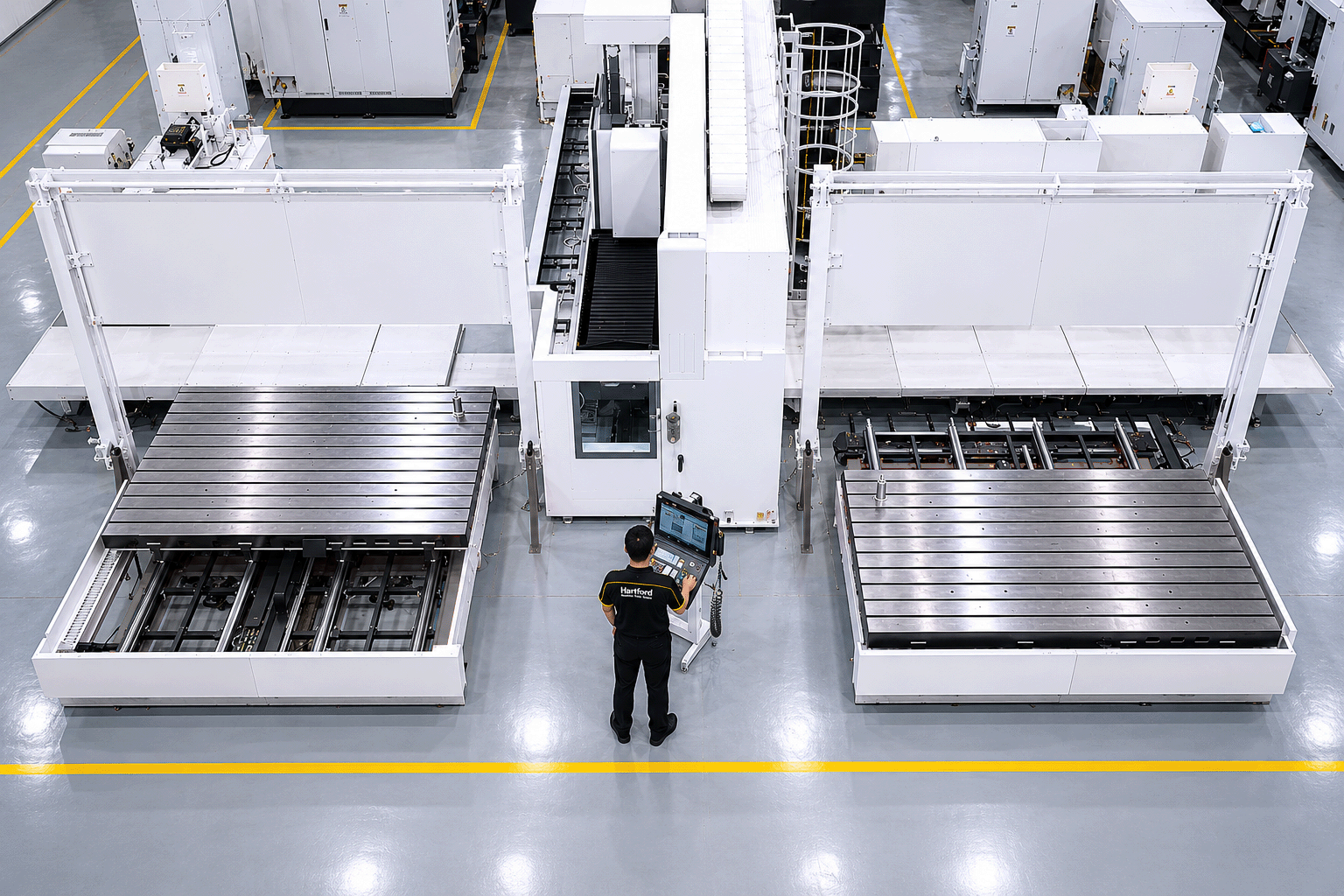
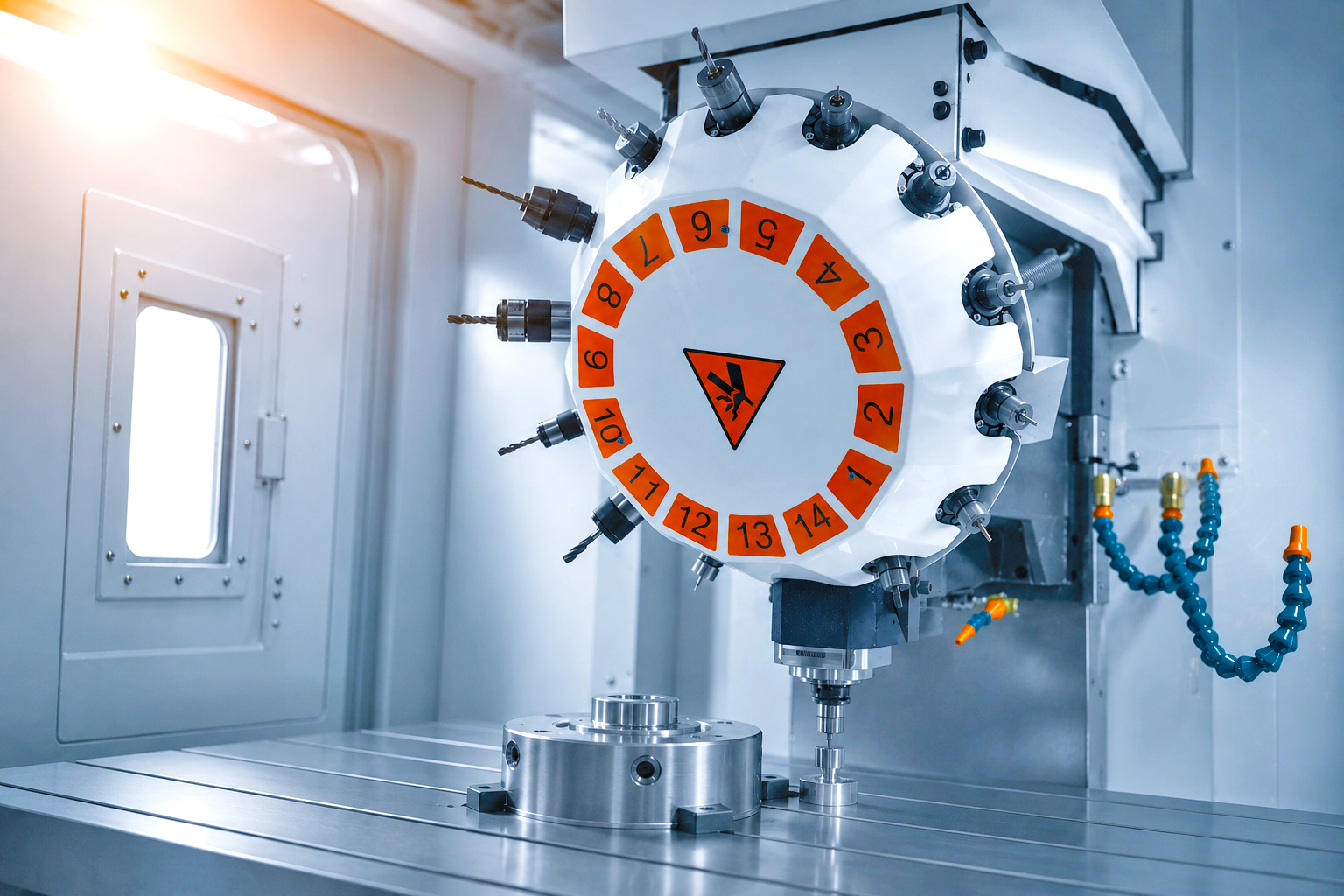
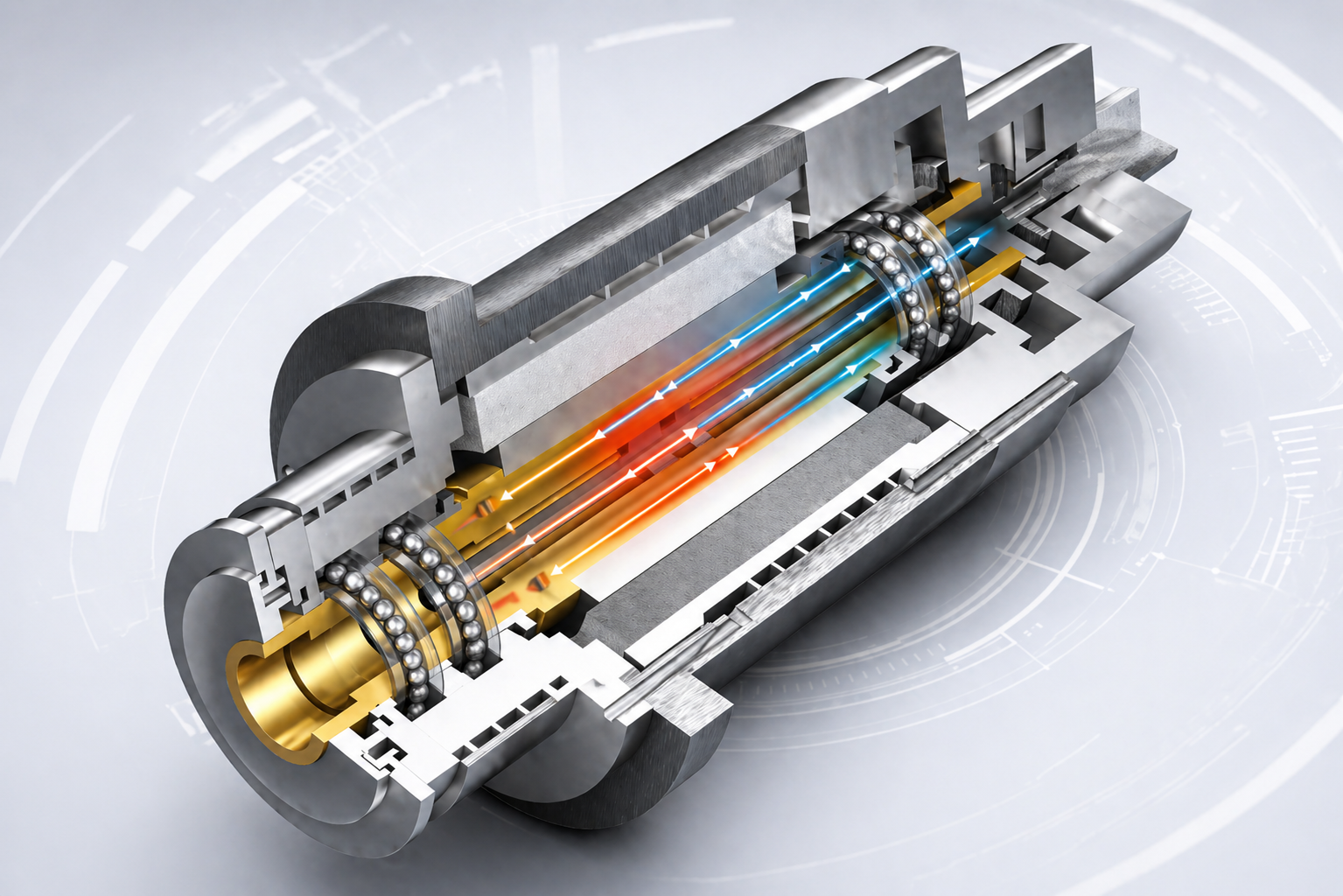
To address these challenges, Hartford has introduced its automatic tool-type angle head changer system. Through an automated angle head exchange mechanism, the machine can automatically switch between different angle heads and machining functions according to various machining requirements, enabling multi-directional, multi-angle, and multi-process machining within a single setup. During the machining process, operators no longer need to manually replace angle heads or frequently stop production, significantly improving efficiency for complex workpiece machining.
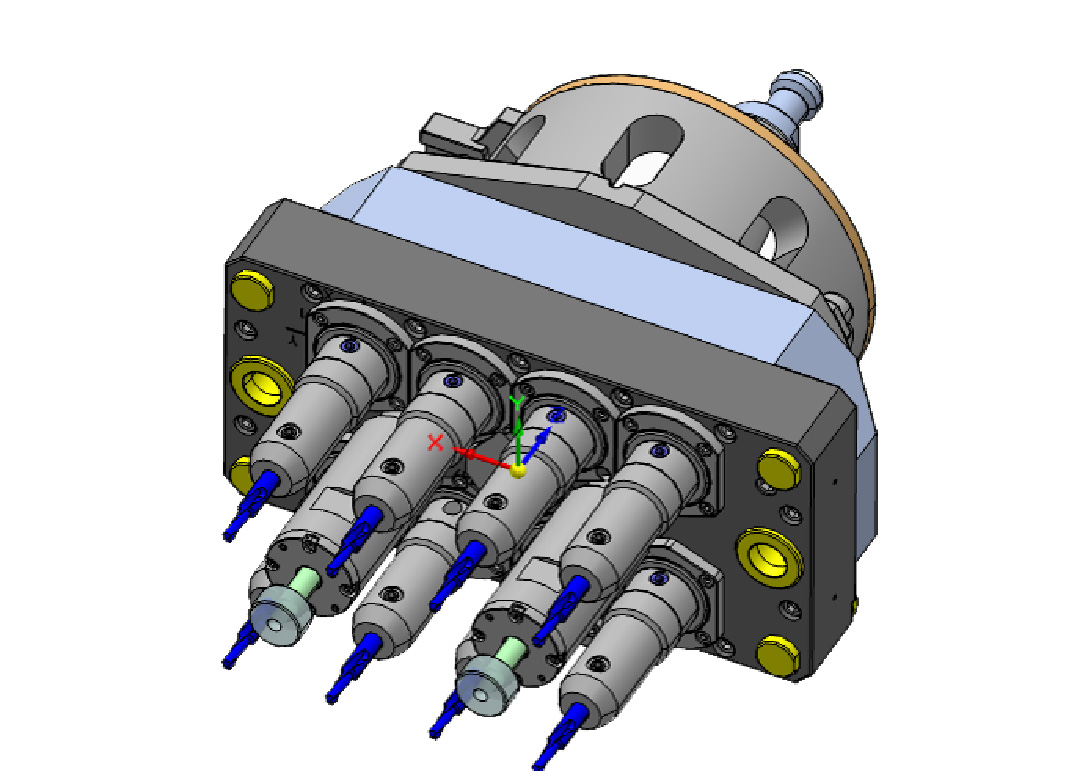
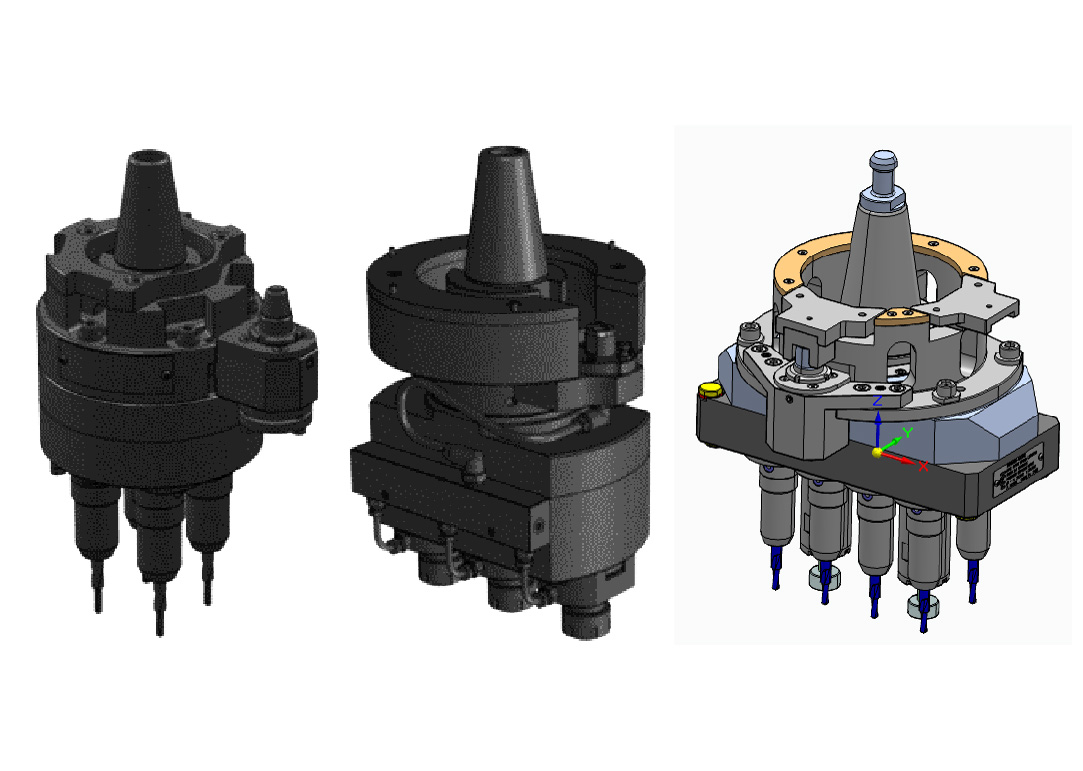
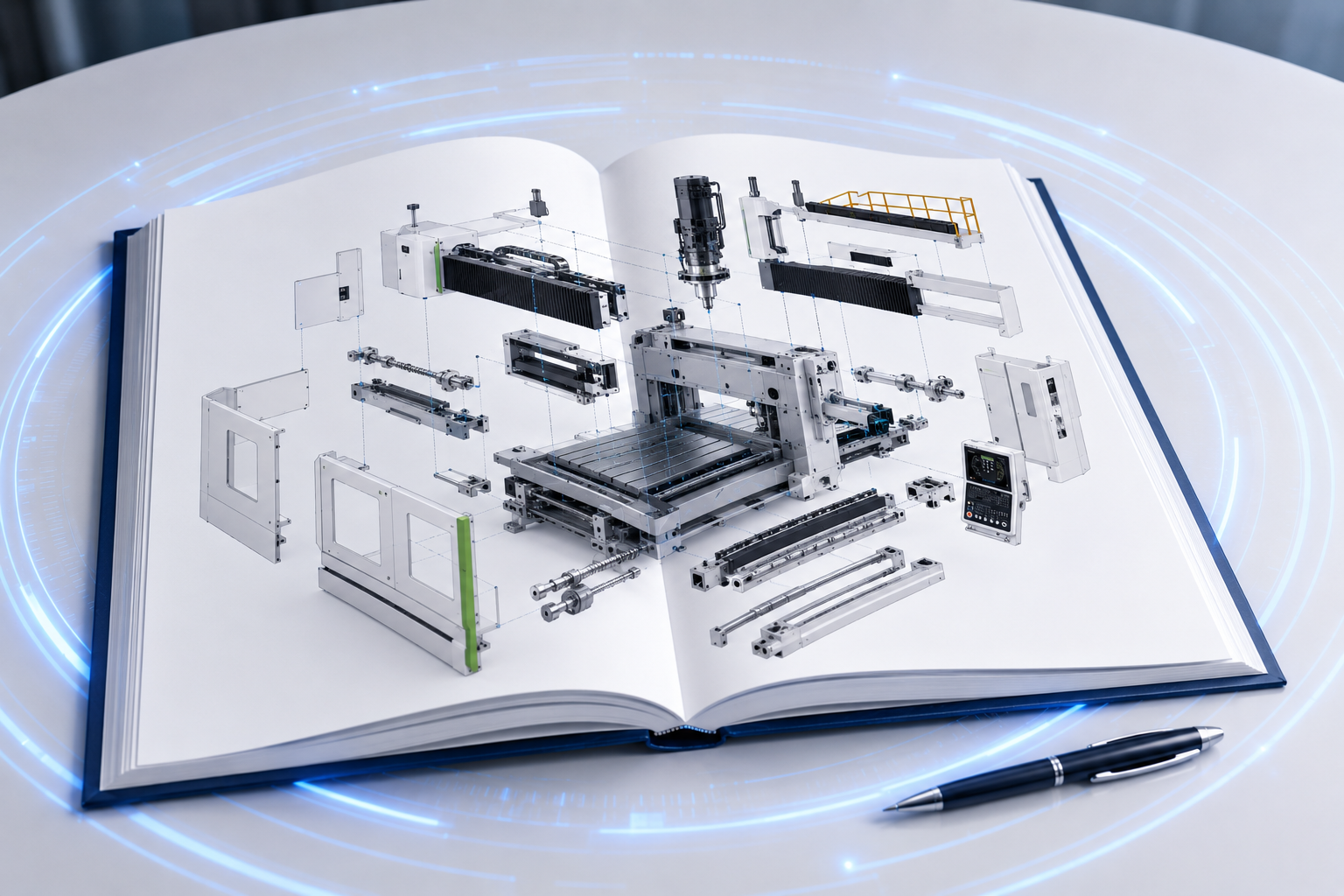
The system is equipped with a 1- to 8-axis synchronized angle head design, integrated with a four-position automatic head magazine and automatic cover-opening mechanism for rapid angle head exchange. With its modular design concept, different types of angle heads can also be configured according to various workpiece requirements, further enhancing machining flexibility and expanding machining application capabilities.