Large-Part Machining Challenges in Mold, Aerospace, and Energy Industries — and the Advantages of 5-Face Gantry Machining Solutions
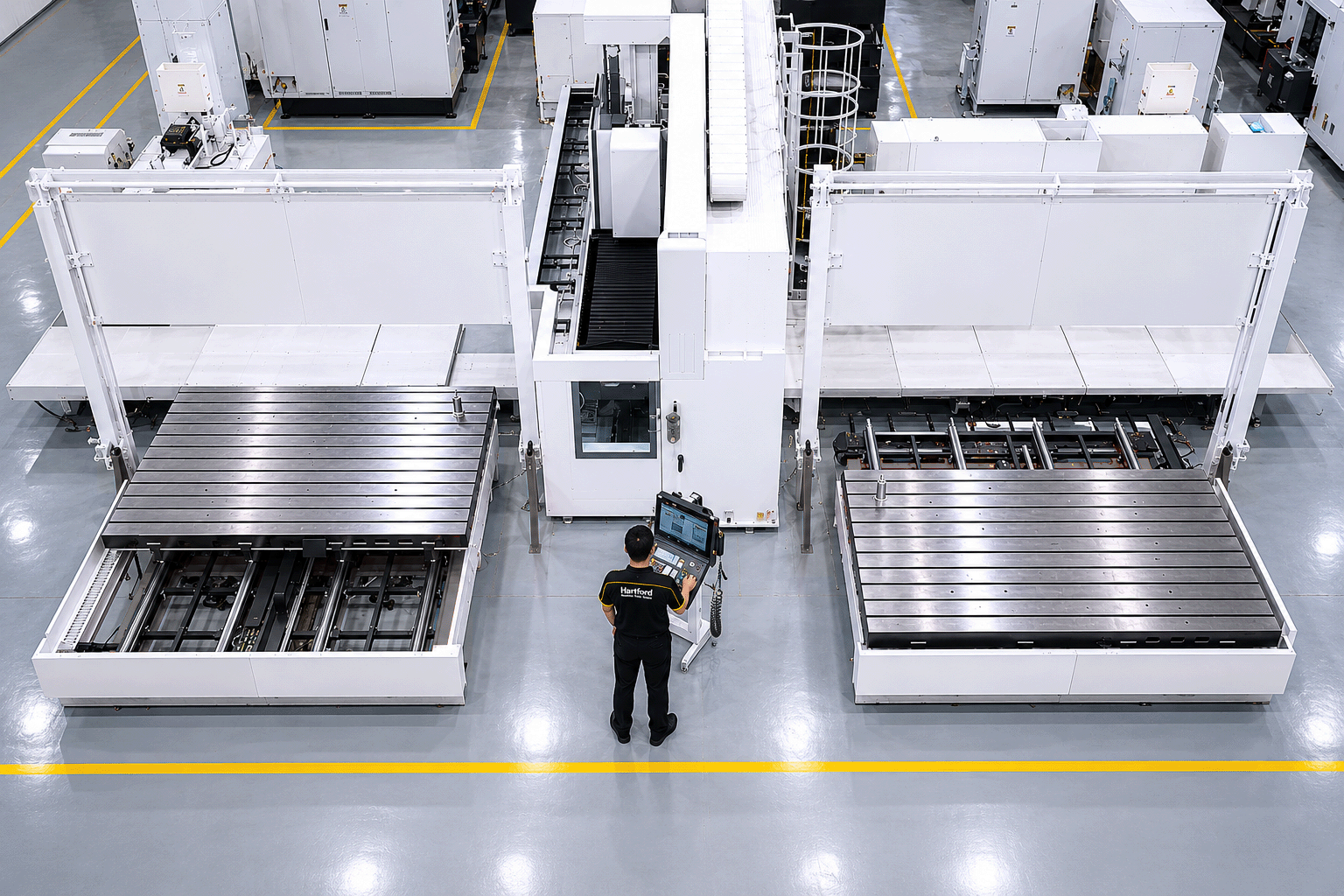
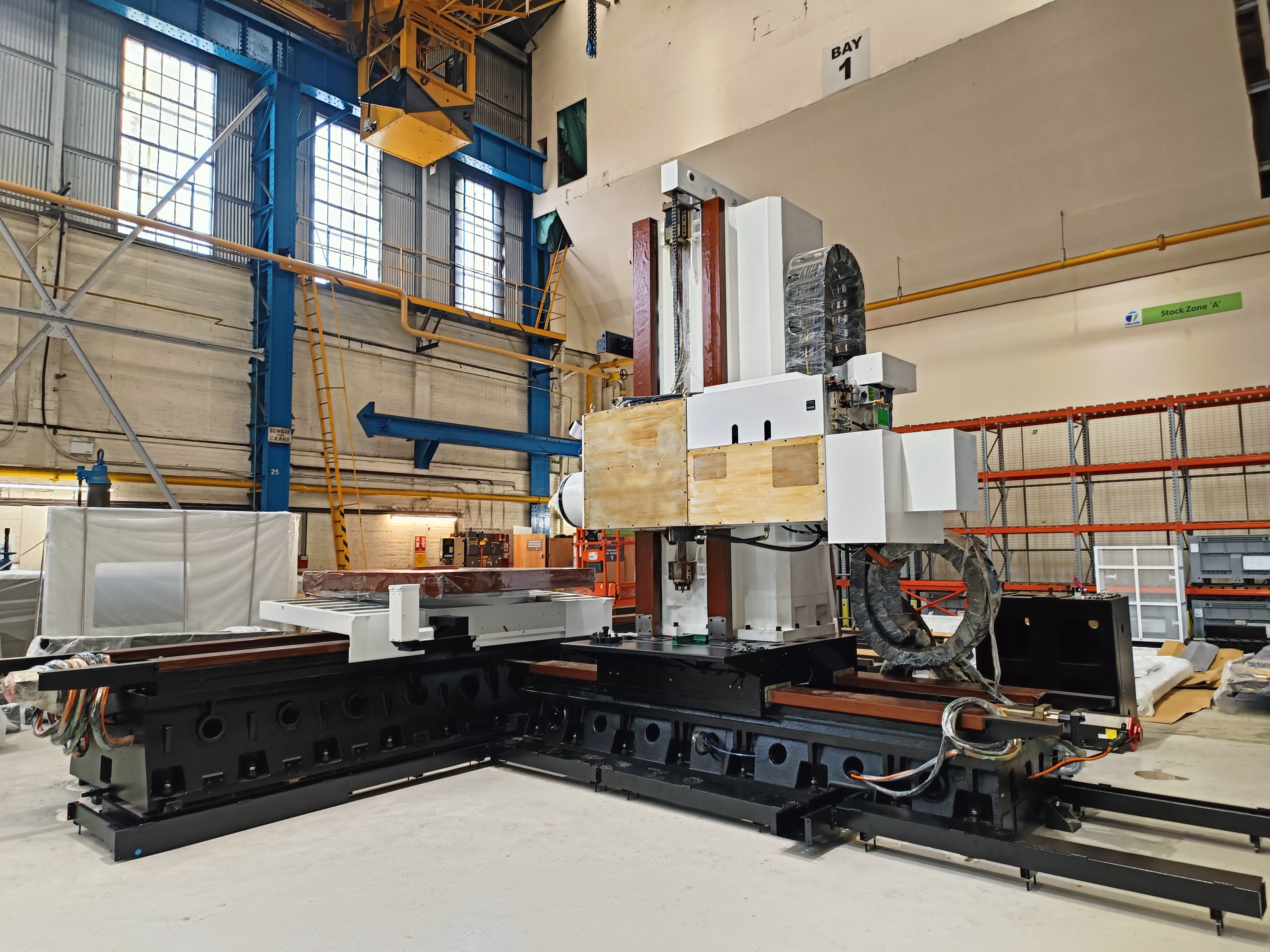
In heavy-duty manufacturing and precision machining industries, increasing workpiece dimensions—typically exceeding 3 meters in length and weighing more than 5 tons—significantly increases machining complexity. As component size grows, manufacturers often face several critical technical challenges:
1. Excessive Non-Cutting Time and Cumulative Errors Caused by Repeated Setups
Production Challenge
When machining deep cavities in large molds or complex multi-sided aerospace components, conventional 3-axis and standard 4-axis machines often require multiple repositioning and reclamping operations. These repeated setups rely heavily on manual intervention and consume valuable production time.
Technical Impact
Every setup introduces a new reference alignment, creating the potential for positioning errors. Even with precision edge finders and calibration tools, cumulative deviations cannot be completely eliminated. In addition, aligning and indicating large workpieces can take several hours, leaving the machine idle and significantly reducing overall spindle utilization and productivity.
2. Insufficient Dynamic Rigidity During Extended Heavy-Duty Machining
Production Challenge
Large castings, forgings, and hardened materials such as P20 and H13 tool steels generate substantial cutting forces during high-material-removal operations.
Technical Impact
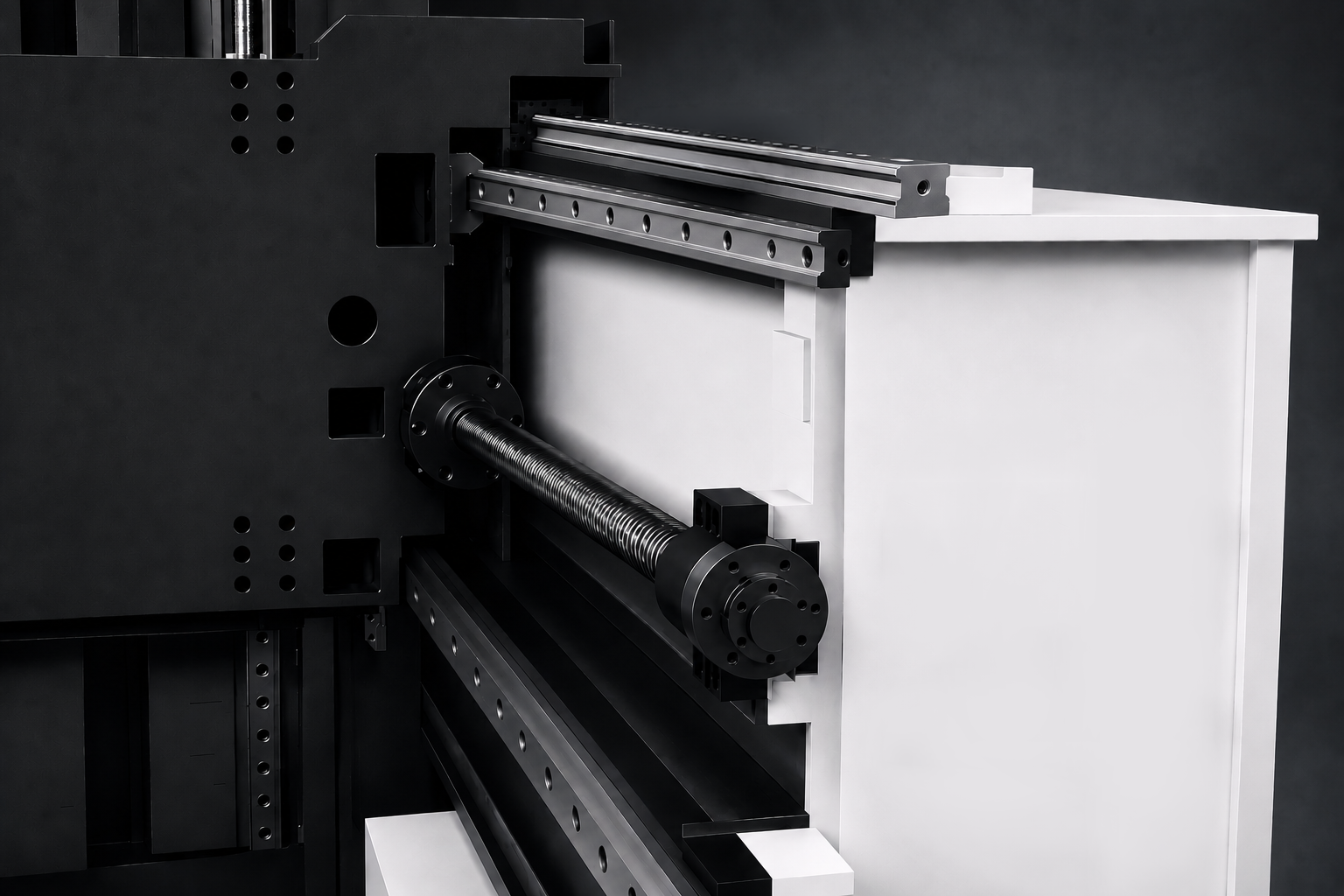
If the machine structure lacks sufficient rigidity, cutting chatter may occur. Chatter not only compromises surface finish quality by creating visible vibration marks, but also accelerates tool wear, causes edge chipping, and increases fatigue on spindle bearings, ultimately reducing machining efficiency and equipment lifespan.
3. Thermal Displacement Leading to Accuracy Drift
Production Challenge
Large-part machining projects often require continuous operation over multiple shifts and extended machining cycles lasting dozens of hours.
Technical Impact
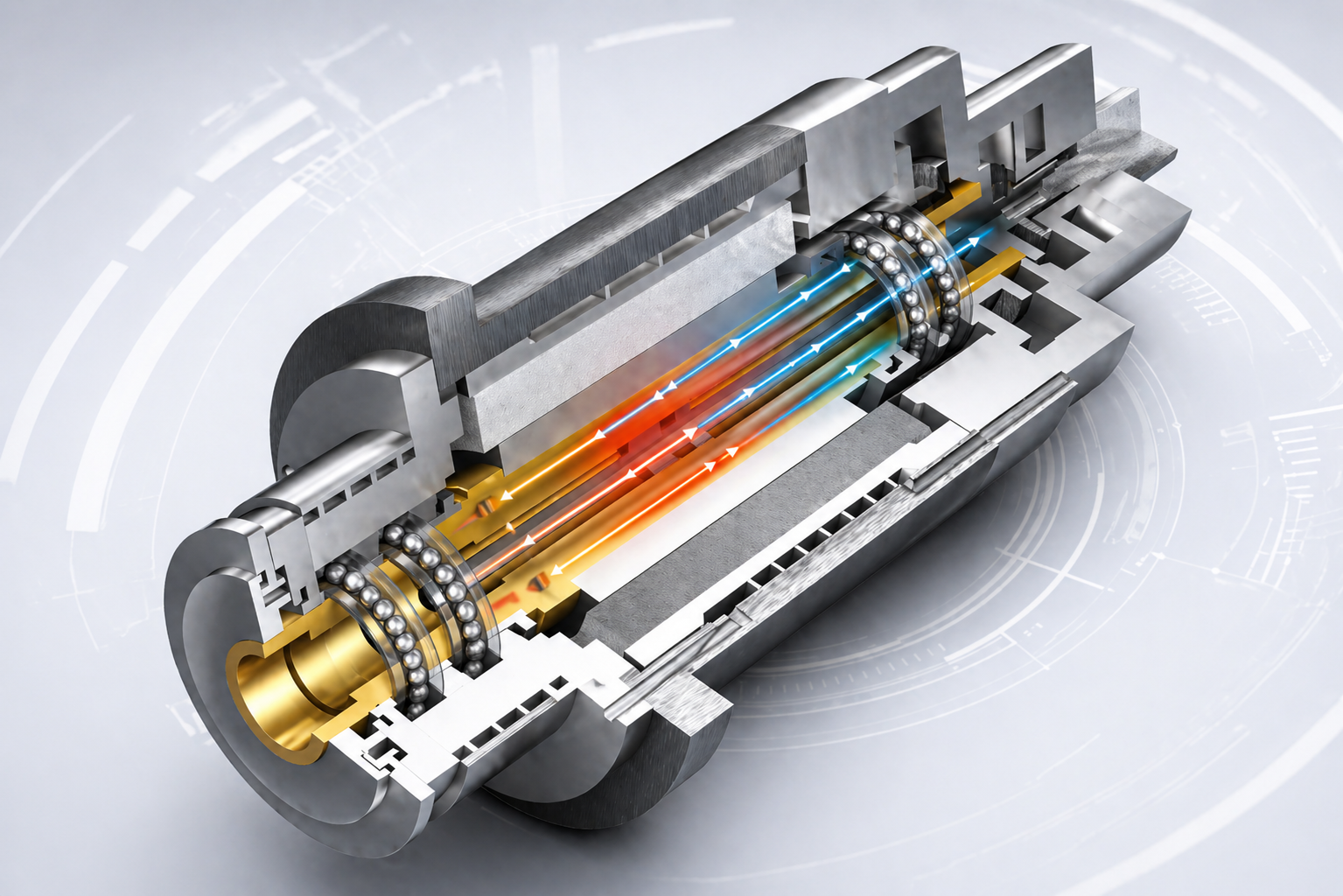
Heat generated by spindle rotation, cutting processes, servo motors, and ambient temperature fluctuations can cause non-linear thermal expansion throughout the machine structure. For workpieces measuring several meters in length, even a small temperature variation can result in dimensional changes of several tens of microns, potentially pushing critical features beyond tolerance requirements.
4. Skilled Labor Shortages and the Limitations of Manual Attachment Head Changes
Production Challenge
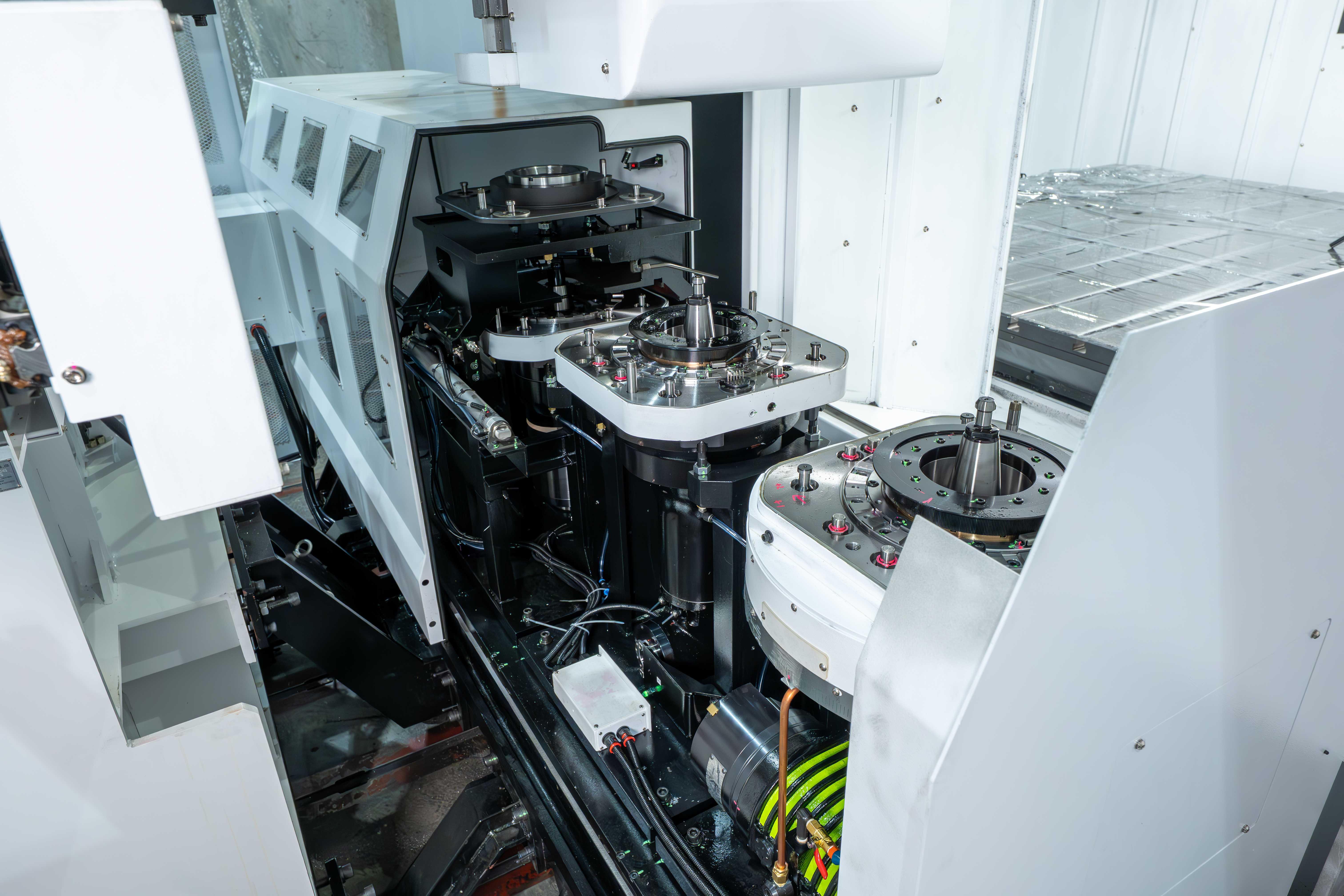
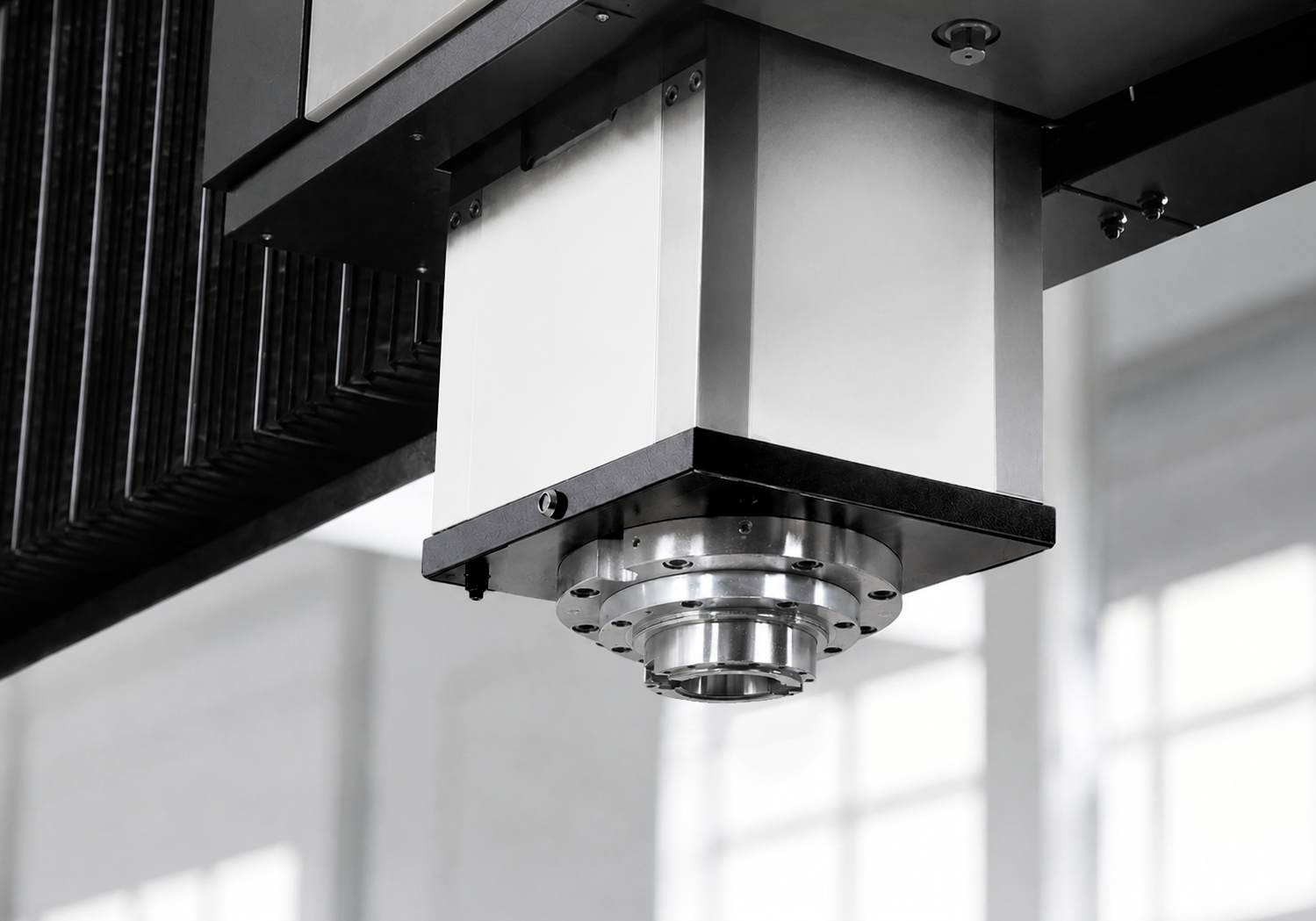
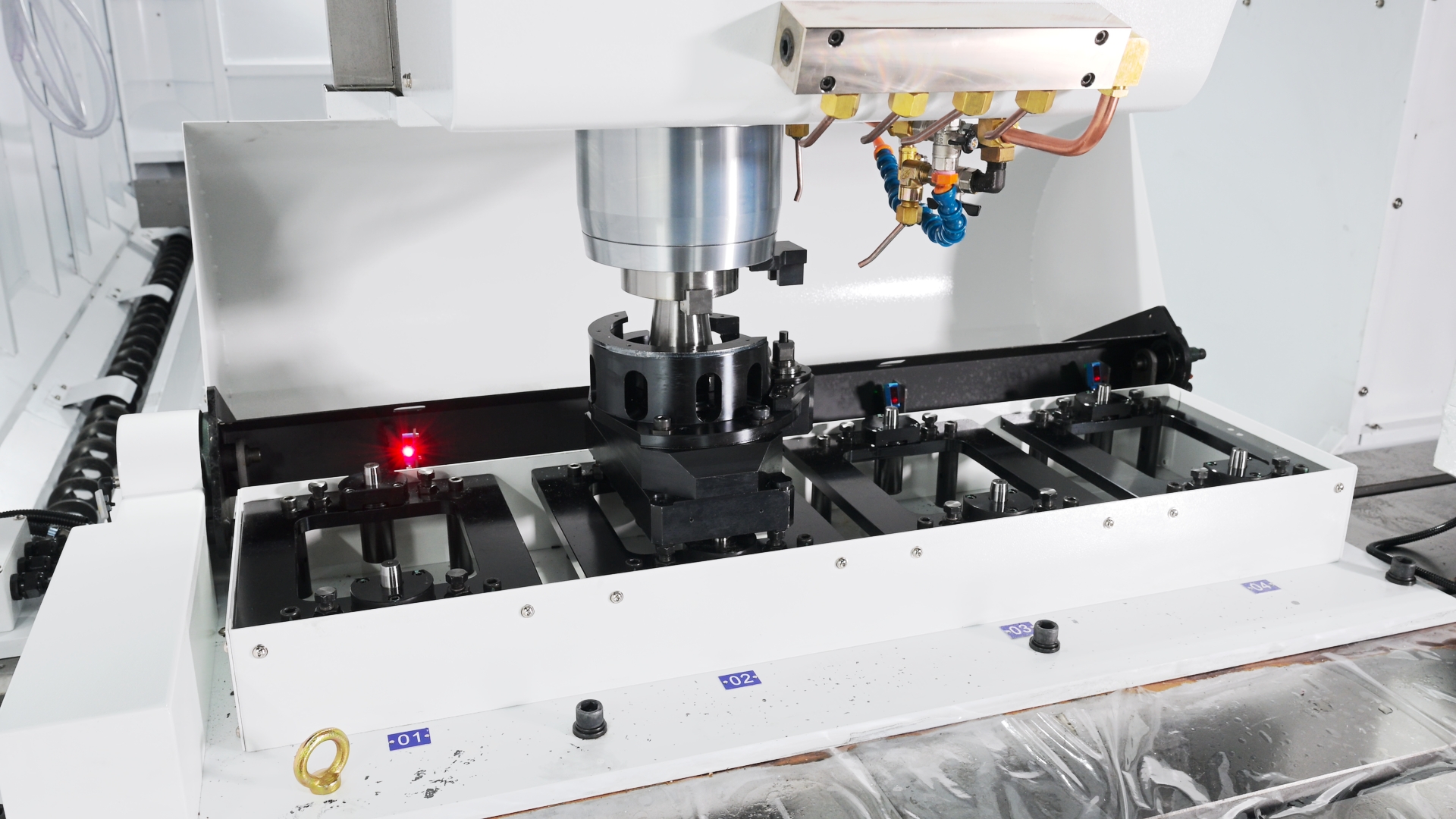
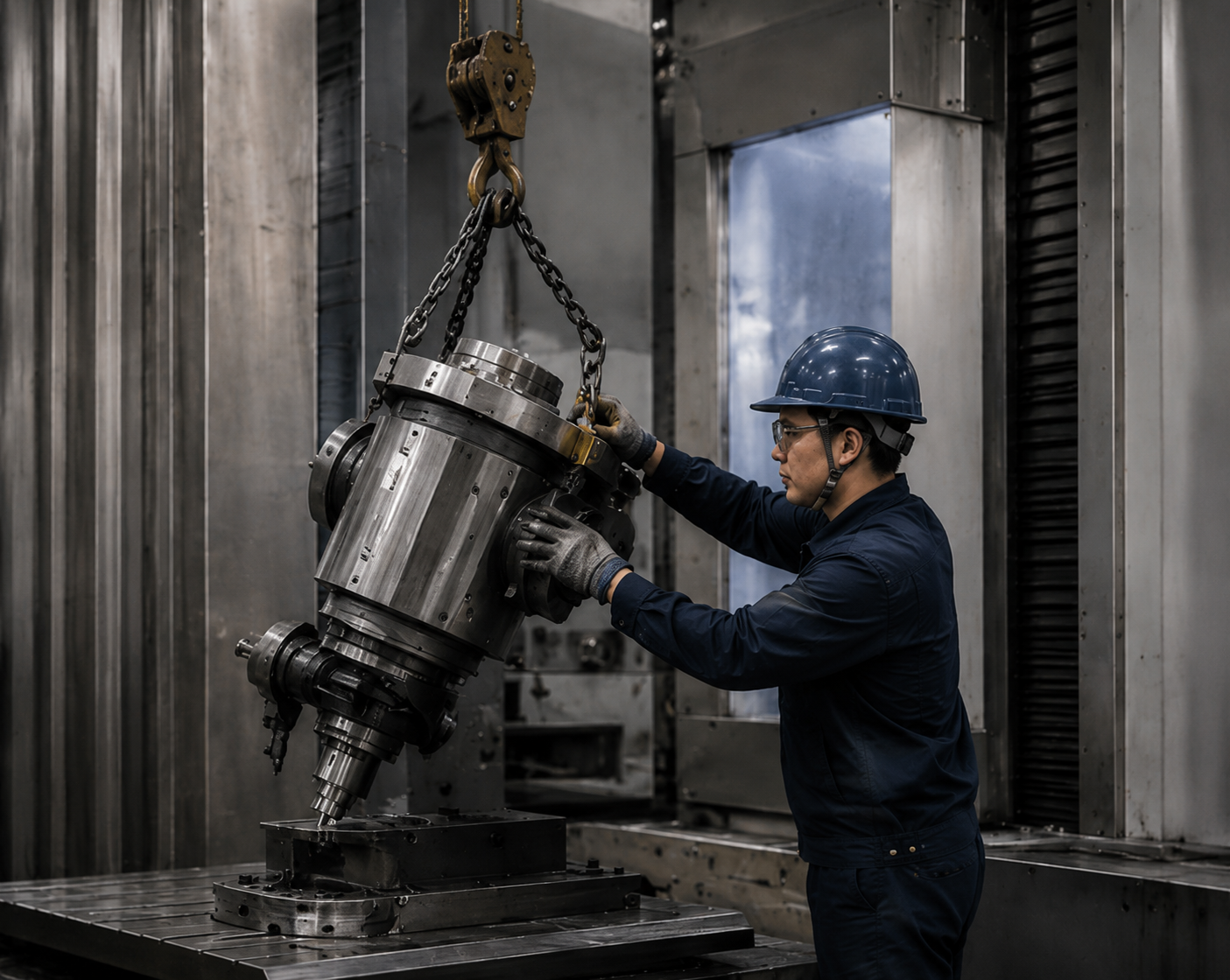
Traditional gantry machining centers typically require experienced operators to manually lift, install, and align various attachment heads whenever different machining angles are needed.
Technical Impact
Manual head replacement is time-consuming, labor-intensive, and potentially hazardous. In addition, variations in tightening force during manual installation can negatively affect machining rigidity and accuracy. As skilled labor becomes increasingly difficult to recruit and labor costs continue to rise, this conventional approach is becoming a major obstacle to productivity growth and manufacturing scalability.